

Why the Most Sought-After Full-Service Interior Designers in New York City Have Multi-Year Waitlists
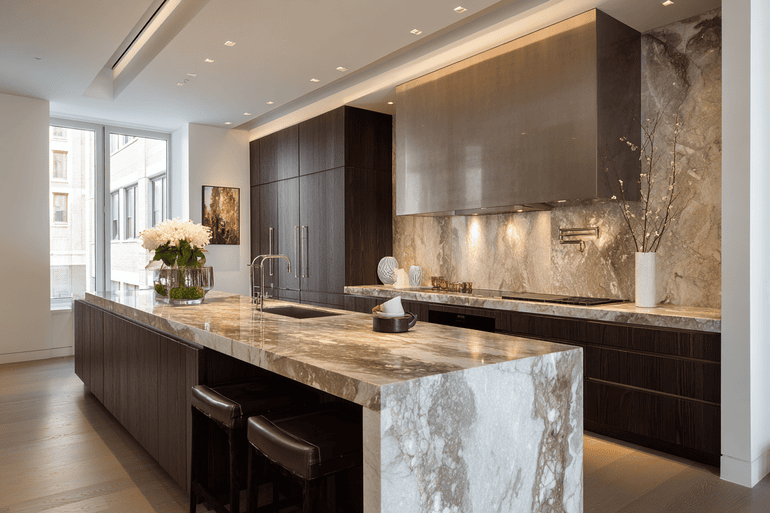
The best full-service interior designers in New York City are often booked one to three years in advance. That is not a rumor or a marketing tactic. It is simply a reflection of how much work goes into delivering a high-end renovation at the level these firms operate.
This article explains why those waitlists exist, what they signal about the designers behind them, and what it means for you as a homeowner trying to plan your next project.
What a Multi-Year Waitlist Actually Means
A long waitlist is a quality signal, not a scheduling inconvenience. When a full-service interior designer in NYC consistently has clients waiting twelve to twenty-four months for a project slot, it tells you several things at once:
- Their work produces results that generate referrals
- They do not overextend their team or take on more than they can deliver well
- Their process is intensive enough that each project requires genuine attention
- Clients who have worked with them come back, and bring others
What most people do not realize is that the top tier of high-end interior design in NYC is a very small world. A handful of firms handle the majority of significant residential renovations in buildings like pre-war co-ops on Park Avenue, townhouses in the West Village, and new construction penthouses on the Upper West Side. Those firms have earned their reputations project by project, and their schedules reflect it.

The Volume of Work Behind Every High-End Project
A single high-end renovation in New York City involves more moving parts than most clients anticipate. A full-service interior designer does not simply select furniture and finishes. Over the course of a project, they manage:
- Architectural and millwork drawings
- Contractor selection, vetting, and ongoing coordination
- Trade-only sourcing from vendors not accessible to the public
- Procurement, shipping logistics, and white-glove delivery
- Co-op board submissions and alteration agreement compliance
- Building management communication
- Custom fabrication timelines across multiple vendors
- Punch lists, installations, and final styling
Each of those workstreams runs concurrently, and most of them require daily attention. A designer who is doing this work properly simply cannot take on an unlimited number of projects. The waitlist is a natural result of doing the job at a high level.
In New York City, most high-end renovations are led by full-service interior design firms precisely because of how much coordination is required. The buildings themselves demand it. Co-op boards have their own rules. Building management has rules on top of that. The logistics of getting furniture up a service elevator in a pre-war building on the Upper East Side are genuinely complicated. Experienced firms have seen every version of these situations before and know how to move through them without losing time or momentum.
Why the Best Designers Limit Their Rosters
Here is where this matters for anyone trying to get on a waitlist. The most sought-after full-service interior designers in NYC are not turning clients away because they lack ambition. They are protecting the quality of the work.
A designer managing six projects simultaneously cannot give the same attention as one managing three. The firms with the longest waitlists have usually made a deliberate choice to stay small or grow slowly, keeping their team's bandwidth matched to their project load. That discipline is part of what makes them good.
This is where things usually go wrong for homeowners who try to rush the process. They hear about a two-year waitlist and decide to work with someone who can start immediately. Sometimes that works out. But often, the designer who is always available is available for a reason.
For most high-end residential projects in NYC, the right move is to get on the waitlist of the firm you actually want and plan your timeline accordingly. The delay is worth it.

What Full-Service Actually Means at This Level
Full-service interior design in NYC means the client is not managing anything. That is the distinction that separates this tier of work from what most people imagine when they think of hiring a designer.
When you work with a high-end interior designer in NYC at the full-service level, the relationship looks like this:
- You share your vision, preferences, and how you live
- The designer translates that into a complete design direction
- Everything from sourcing to contractor management happens behind the scenes
- You review options and make decisions at key milestones
- You move in when the project is complete
The complexity of the renovation, the logistics of the building, the coordination between fifteen different vendors and a general contractor, the tracking of lead times that stretch six months or more on custom pieces, all of that is handled without you needing to be in the middle of it.
That is what the waitlist is paying for. Not just the taste. The infrastructure behind the taste.
How Reputation Compounds Over Time
The designers with the longest waitlists did not build them overnight. They built them through a series of projects that went well enough to generate the next one. In the world of high-end residential design in New York, word of mouth is everything.
A successful project in a pre-war co-op leads to an introduction to someone in the same building. That leads to a referral to a friend with a townhouse renovation. That leads to a call from someone who saw the project published in a shelter magazine. Over time, the incoming work exceeds what the firm can take on, and the waitlist grows.
What this means in practice is that the waitlist itself becomes part of the firm's reputation. Being told you need to wait is, in a quiet way, confirmation that you are trying to work with the right people.

The Role of Trade Relationships and Sourcing
One reason top full-service interior designers in NYC are hard to replace is the vendor network they have spent years building. Access to trade-only showrooms, relationships with custom fabricators, priority allocations from European manufacturers, connections to specialty craftspeople who work exclusively with established design firms. These are not things a client can replicate by going direct, and they are not things a newer designer has access to on day one.
The sourcing that goes into a high-end project in New York is a significant part of the value. The materials and furnishings that come through a well-connected full-service design firm are often simply not available through any other channel. When you are on the waitlist for one of these designers, part of what you are waiting for is access to that network.
Planning Around a Waitlist: What to Expect
If you are beginning to think about a significant renovation or redesign, here is a realistic picture of how the timeline works with a sought-after high-end interior designer in NYC:
- Initial inquiry to first meeting: Two to six weeks
- Waitlist period: Six months to two years, depending on the firm and your project scope
- Design and planning phase once your project begins: Three to six months
- Construction and renovation: Six to eighteen months, depending on scope
- Procurement and installation: Overlapping with construction, extending through project close
This means a comprehensive renovation of a significant New York City apartment can reasonably take two to four years from the moment you decide to pursue it to the moment you move back in. That is not unusual. For clients who have been through the process before, it is expected.
The homeowners who plan well reach out to designers early, get on the right waitlists, and use the waiting period to refine their thinking about the project. The ones who are caught off guard try to compress a timeline that does not compress well.

FAQ
Why do the best interior designers in NYC have such long waitlists?
The top full-service interior design firms in NYC take on a limited number of projects to maintain quality. High-end renovations are complex, require intensive oversight, and involve months of coordination. A designer who is fully committed to each project simply cannot take on unlimited work.
Is a long waitlist always a sign of quality?
Generally, yes. A sustained waitlist over years indicates consistent referrals, strong results, and a client base that is willing to wait. It is one of the most reliable signals in a market where credentials alone are not sufficient.
What should I do if the designer I want has a two-year waitlist?
Get on the list early and plan your timeline around it. Use the waiting period to prepare, clarify your goals, and gather visual references. Many clients find that the waitlist period makes them better prepared for the project when it begins.
Can I find a great designer without a long waitlist?
Yes. Emerging designers with strong talent and training can deliver excellent work, and some do not yet have waitlists because they are earlier in building their reputations. The risk is lower for straightforward projects and higher for complex renovations that require deep NYC-specific experience.
Do full-service interior designers handle the co-op board approval process?
Yes. Experienced full-service interior designers in NYC are familiar with co-op alteration agreements and the documentation required by building management. This is typically handled as part of the overall project coordination.
What is the difference between a full-service and partial-service interior designer?
A full-service designer manages the entire project: design, sourcing, contractor coordination, procurement, and installation. A partial-service designer may focus on design direction or purchasing only, leaving the client to manage vendors, logistics, and execution.
Why are some of the best designers not accepting new clients at all?
Some firms are at capacity for years ahead and have closed their intake entirely. This is more common than people expect at the very top of the market. It is worth reaching out directly to understand a firm's current availability rather than assuming based on what you see publicly.
How far in advance should I contact a high-end interior designer in NYC?
For a significant renovation, reaching out twelve to eighteen months before your target start date is reasonable. For a major whole-home project, two years is not excessive. The earlier you reach out, the more flexibility you have.
Does a longer waitlist mean higher fees?
Not always directly, but the designers with the longest waitlists are typically among the most experienced, and their fees tend to reflect that. The correlation is between experience and cost, not between waitlist length and cost specifically.
What happens if my project timeline changes after I get on a waitlist?
Most reputable firms handle this professionally. Life changes and timelines shift. Communicating openly with the firm early is always the right approach. Established designers have seen every version of a schedule change and can usually accommodate adjustments with enough notice.