

What to Look for in the Best High-End Interior Designers in NYC
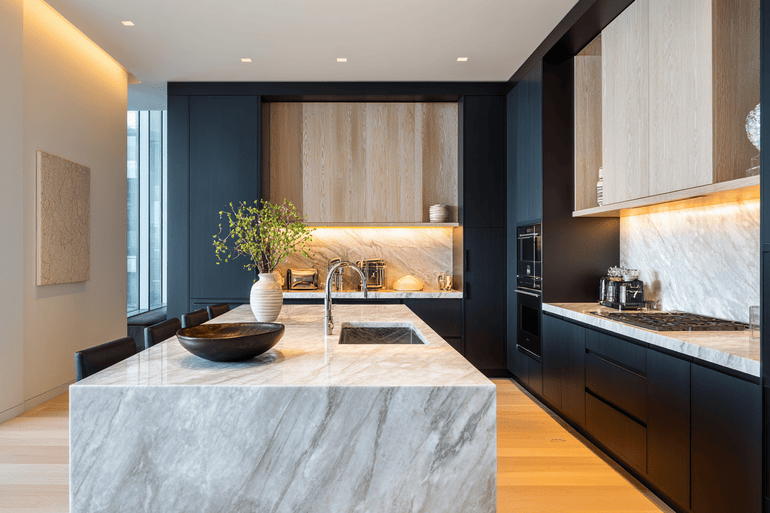
Finding the right high-end interior designer in New York City means finding someone who can manage extraordinary complexity without ever making it your problem.
That is the clearest way to describe it. A great designer at this level does not just make your home look beautiful. They handle every moving part of a high-stakes renovation or full design project, from concept through final installation, while you stay focused on your life.
Here is what that actually looks like in practice, and what to look for when choosing someone for your home.
What "High-End" Actually Means in NYC Interior Design
High-end interior design in NYC is not just about expensive materials or a recognizable aesthetic. It is about a level of service, precision, and expertise that matches the complexity of working in one of the most demanding real estate markets in the world.
In New York City, most serious residential renovations involve:
- Landmark or co-op building approval processes
- Coordination between architects, contractors, engineers, and building management
- Long lead times on custom furniture, materials, and finishes
- A vendor and trade network that takes years to build
- Project management across dozens of overlapping timelines
What most people do not realize is that navigating all of this is a full-time job. The best high-end interior designers in NYC are, among other things, exceptional project managers who happen to have extraordinary taste.
-1780322260627.webp)
The 7 Things That Separate Great NYC Designers from Everyone Else
1. A Portfolio That Shows Range, Not Just a Signature Look
The best designers have a clear point of view, but their portfolio shows they can adapt. Look for work across different apartment types, architectural periods, and client aesthetics. A designer who produces the same look repeatedly may be talented, but they may not be listening.
In NYC specifically, you want to see work in buildings similar to yours. Pre-war, post-war, loft, townhouse, and new construction each come with their own structural realities, layout constraints, and approval requirements. Experience matters here.
2. Genuine Full-Service Capability
Full-service interior design in NYC means the designer manages the entire project, not just the decorating layer on top. This includes:
- Space planning and architectural coordination
- Construction documentation and contractor oversight
- Procurement of furniture, fixtures, and finishes
- Vendor scheduling and delivery management
- Installation and final styling
Here is where this matters: many designers present themselves as full-service but actually stop short at sourcing. When a problem arises on-site at 7am, you want a team that shows up, not one that waits for you to call a contractor separately.
-1780322284145.webp)
3. Strong Trade Relationships in New York City
Access is everything in high-end residential design. The best firms have established relationships with:
- To-the-trade showrooms and European vendors who do not sell directly to the public
- Skilled artisans and craftspeople for custom work
- Reliable contractors who respect the process and timeline
- Building superintendents, co-op boards, and managing agents
This network is built over years. It affects what materials are available, how quickly things move, and how problems get solved. A designer with deep NYC trade relationships is not a luxury. It is a practical advantage.
4. A Clear and Transparent Process
The best high-end interior designers in NYC walk you through exactly how a project works before anything is signed. They explain:
- How fees are structured (flat fee, percentage of project, or hourly)
- How procurement is handled and what markups apply
- What decisions you will be asked to make and when
- How communication works throughout the project
This is where things usually go wrong with less experienced firms. Vague processes lead to scope creep, unexpected costs, and frustration. A designer who explains everything upfront is a designer who has done this enough times to know what clients actually need to hear.
5. Listening Skills That Show Up in the Work
A designer's taste is secondary to their ability to understand yours. In an initial conversation, notice whether they ask more than they talk. Do they ask about how you actually live in your home? About your storage needs, your daily routines, the things that bother you about your current space?
The best designers translate a client's vision clearly, even when the client cannot yet articulate it. That skill comes from listening, not from imposing a portfolio aesthetic onto every project.
-1780322313049.webp)
6. Experience with NYC Building and Approval Processes
In New York City, most high-end renovations require approvals that have nothing to do with design. Landmark Preservation Commission reviews, co-op board submissions, DOB permits, and alteration agreements all take time and expertise to navigate.
A designer who has not worked extensively in this city may not understand that a timeline built without co-op board approval built in is not a real timeline. This is an industry reality that shapes every serious project in this market.
7. References from Clients with Similar Projects
Ask for references. Specifically, ask for references from clients whose projects resembled yours in scope, building type, or complexity. A glowing reference for a one-room refresh tells you something different than a reference from someone who completed a full-floor renovation in a landmarked pre-war on the Upper East Side.
Call them. Ask what went wrong and how it was handled. That question tells you more than anything else.
What the Client Experience Should Actually Feel Like
In high-end full-service interior design, the client's job is to make decisions, not manage logistics. You should be consulted on the things that matter to you and shielded from the things that do not.
That means you are not coordinating with contractors directly. You are not tracking furniture shipments or managing installation schedules. You are not fielding calls about a delayed delivery or a plumbing issue discovered mid-renovation.
All of that runs behind the scenes. You come to design presentations, review proposals, and approve selections. The complexity is handled for you.
This is what separates a genuinely full-service high-end interior designer in NYC from a talented decorator working alone. The infrastructure, the team, and the process are what make the client experience calm rather than chaotic.
-1780322356333.webp)
Common Mistakes Homeowners Make When Hiring
Choosing based on Instagram alone. A beautiful feed does not tell you how a project is managed. Some of the best designers in the city have minimal social presence. Meet them in person.
Skipping the process conversation. Never sign with a designer before you understand exactly how their process works and what is included in their fee. Assumptions on both sides create conflict later.
Choosing the cheapest full-service option. At the high end, this usually means the firm is either inexperienced or cutting corners somewhere. The fee structure for serious full-service interior design in NYC reflects the actual cost of doing this work properly.
Rushing the selection process. The right fit takes time to find. A few extra weeks spent on interviews and due diligence saves months of friction once a project starts.
How to Interview a High-End Interior Designer in NYC
When you sit down with a designer or firm, come prepared with specific questions:
- Can you walk me through how your fees are structured from start to finish?
- What does your team look like, and who would be my primary contact?
- Have you worked in buildings like mine before?
- How do you handle problems that come up mid-project?
- What does a typical client experience look like from your side?
Pay attention to how they answer, not just what they say. Confidence, clarity, and genuine interest in your project are good signs. Vagueness, overselling, or a rush to close are not.
-1780322384155.webp)
FAQ: High-End Interior Designers in NYC
What does a high-end interior designer in NYC typically charge?
Fees vary widely depending on scope, firm size, and service model. Full-service design firms in New York City often work on a flat project fee, a percentage of the overall budget, or a combination of both. For a full-floor renovation, total design fees can range from $150,000 to well over $500,000 depending on the project. This is in addition to construction and furnishing costs.
How long does a high-end residential project in NYC take?
A full renovation of a significant apartment typically takes 12 to 24 months from start to move-in. This includes design development, approval processes, construction, procurement, and installation. Complex projects or those in landmarked buildings can take longer.
Do I need both an architect and an interior designer?
For structural changes, yes. A licensed architect is required for work that affects the building's structure or systems. Many full-service interior design firms in NYC work in close partnership with architects, or have licensed architects on staff, so this coordination is handled within a single team.
What is the difference between a decorator and a full-service interior designer?
A decorator typically focuses on furnishings, color, and styling without managing construction or renovation work. A full-service interior designer handles the complete scope of a project, including architectural coordination, procurement, construction oversight, and project management.
How do I know if a designer is the right fit before signing?
Beyond reviewing their portfolio and checking references, pay attention to how they listen in your first meeting. Do they ask thoughtful questions about how you live? Do they explain their process clearly? Fit is partly about taste and partly about communication style.
Can a designer work within a fixed budget at the high end?
Yes, but clarity upfront is essential. A strong designer will tell you honestly whether your budget is realistic for your goals. In high-end residential work, this kind of directness early in the process is a good sign, not a red flag.
What should be included in a full-service design contract?
A proper contract should outline the scope of services, fee structure, payment schedule, procurement terms, timeline expectations, and how changes in scope are handled. If a contract is vague on any of these points, ask for clarification before signing.
Do high-end designers in NYC work on smaller projects?
Some firms take on smaller projects, though many have minimum project sizes or budgets. If your project is limited in scope, it is worth asking directly whether a firm takes on that kind of work, or whether they can refer you to someone appropriate.
The Bottom Line
The best high-end interior designers in NYC combine taste, process, and infrastructure in a way that makes a complex project feel manageable. They handle the coordination. They bring the relationships. They protect your time and your investment.
For most homeowners undertaking a significant renovation or design project in New York City, working with a full-service interior design firm is the most practical and effective path. The city is simply too complex, and the stakes too high, to piece together the process yourself.
Take your time finding the right fit. Ask the right questions. And when the process feels calm and clear from the very first conversation, that is usually a sign you have found someone worth trusting.