

What Defines Timeless Interior Design in New York City Homes
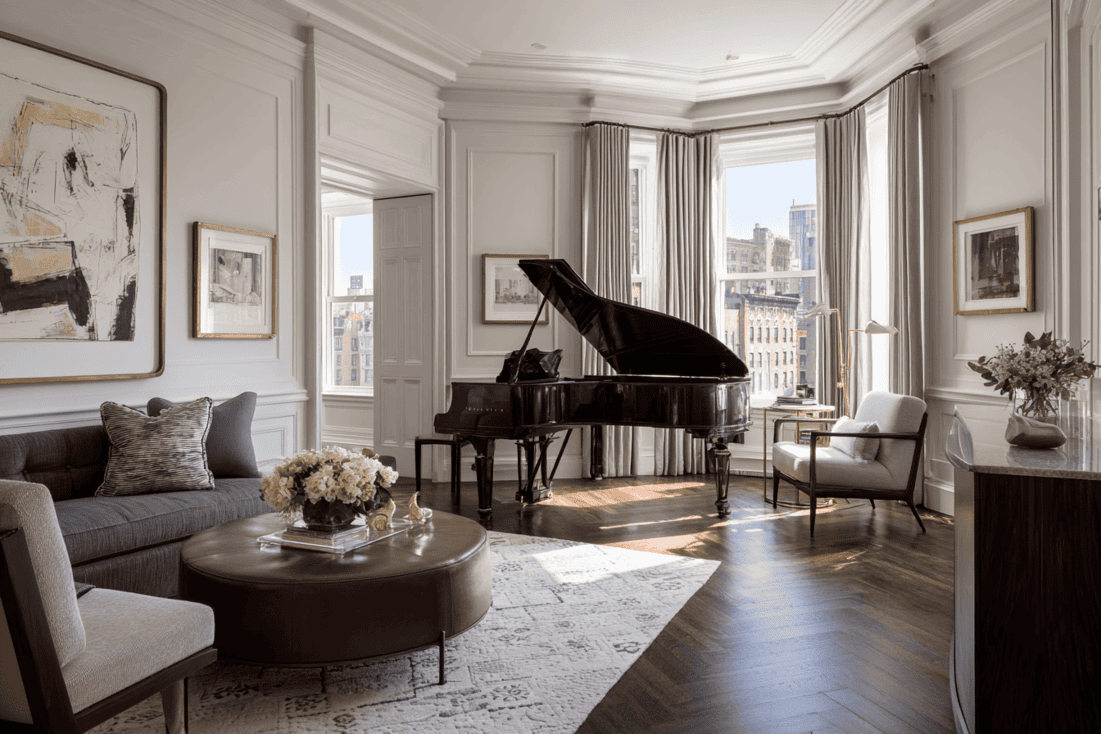
A high-end interior designer in New York City is responsible for creating interiors that maintain aesthetic, functional, and material relevance over time by integrating architectural context, enduring design principles, and long-term usability within the constraints of complex urban residential environments.
A high-end interior designer in NYC is responsible for:
- developing design concepts that align with architectural context and long-term livability
- selecting materials and finishes based on durability, aging performance, and maintenance requirements
- coordinating layouts that support functional daily use within spatial constraints
- integrating custom millwork, furnishings, and lighting with cohesive proportion and scale
- managing procurement and installation to ensure quality and longevity of all design elements
- aligning design decisions with building regulations, renovation rules, and approval processes
Timeless interior design in New York City is shaped by constraints that do not exist in most other markets. Co-op boards and condominium associations often review and approve design plans before work begins, requiring detailed documentation and adherence to strict building rules. These approvals influence everything from material selection to construction timelines.
Renovations must also comply with regulations set by the NYC Department of Buildings (DOB), which governs permits, construction safety, and code compliance. Designers coordinate closely with architects and contractors to ensure all work aligns with these requirements.
In addition, logistical limitations—such as restricted elevator use, limited delivery windows, and noise regulations—affect how and when materials can be installed. These constraints require thoughtful planning to ensure that design decisions are not only beautiful, but also feasible within the realities of New York City living.
Timeless Design Begins with Architectural Respect
Timeless interiors in NYC always start with the architecture. Whether the home is a prewar apartment, a modern condo, or a converted loft, the design should respond to what already exists rather than compete with it.
In prewar buildings, this often means preserving original moldings, ceiling heights, and proportions. These elements create a foundation that does not go out of style because they are rooted in historical craftsmanship.
In newer buildings, timelessness comes from introducing depth where it may be lacking. Designers often use millwork, layered materials, and subtle architectural detailing to create a sense of permanence.
When the design feels integrated with the structure, it avoids looking dated as trends shift.

Material Selection Is the Core of Longevity
Materials are one of the clearest indicators of whether a space will feel current in five years or twenty. Timeless interiors rely on materials that age well rather than materials that rely on novelty.
Common characteristics of timeless materials include:
- natural variation (stone, wood, plaster)
- durability under daily use
- ability to develop patina over time
- neutrality in tone without feeling flat
For example:
- marble and limestone maintain relevance because they have been used for centuries
- solid wood develops character instead of deterioration
- unlacquered metals age naturally rather than appearing worn
In NYC homes, where use is often high and maintenance matters, these choices are not just aesthetic, they are practical decisions that impact how the home performs over time.
Proportion and Scale Define How a Space Feels Over Time
Timeless interiors are rarely defined by specific styles. Instead, they are defined by proportion.
Furniture that is appropriately scaled to the room creates balance that feels correct, even if trends change. Oversized or undersized pieces tend to date a space quickly because they disrupt that balance.
Key considerations include:
- ceiling height relative to furniture height
- spacing between pieces for circulation
- visual weight of materials and finishes
In NYC, where square footage is often limited, this becomes even more important. A well-proportioned layout ensures the space remains functional and comfortable long after initial installation.

Neutral Foundations with Controlled Variation
Timeless interiors are not necessarily minimal or monochromatic, but they do rely on a controlled foundation.
This often includes:
- neutral wall colors
- consistent flooring throughout primary spaces
- cohesive material palettes
From there, variation is introduced through:
- texture (linen, wool, wood grain)
- subtle color shifts within the same temperature range
- layered finishes that create depth without contrast overload
The goal is not to eliminate personality, but to prevent visual fatigue. In NYC homes, where clients often live in the same space for many years, this balance supports long-term comfort.
Customization Over Trend-Driven Purchases
Timeless design in New York City often involves custom elements. This is not about exclusivity, but about fit.
Custom millwork, built-ins, and tailored furnishings allow designers to:
- maximize storage in tight spaces
- align proportions with the architecture
- ensure materials and finishes are cohesive
In contrast, heavily trend-driven pieces tend to feel dated more quickly. While they may work in the short term, they rarely integrate seamlessly into the overall design.
Customization creates continuity, which is one of the defining traits of timeless interiors.

Functionality Is What Makes a Design Last
A space that looks good but does not function well will never feel timeless.
In NYC homes, functionality is shaped by:
- limited storage
- multi-use rooms
- high daily usage
Designers address this by:
- integrating hidden storage into millwork
- designing layouts that support real routines
- selecting furniture that serves more than one purpose
When a home supports how you actually live, it continues to feel relevant regardless of changing trends.
Lighting Plays a Foundational Role
Lighting is often overlooked, but it is central to timeless design.
A layered lighting plan typically includes:
- ambient lighting for overall illumination
- task lighting for specific activities
- accent lighting to highlight architectural features
In New York City, natural light can vary significantly depending on building orientation and surrounding structures. Designers compensate for this by carefully planning artificial lighting to maintain consistency throughout the day.
Well-executed lighting ensures that materials, colors, and proportions are experienced as intended.

Consistency Across the Entire Home
Timeless interiors are cohesive. Each room feels connected to the next without being repetitive.
This is achieved through:
- consistent material palettes
- aligned architectural details
- continuity in scale and proportion
In NYC apartments, where spaces are often closely connected, this consistency is especially important. It allows the home to feel larger, more intentional, and more refined.
Designing Within NYC Constraints Creates Better Outcomes
Timeless design in NYC is not created in isolation. It is shaped by the realities of the city.
Designers must consider:
- co-op alteration agreements
- condominium renovation guidelines
- DOB permit requirements
- strict construction timelines and access rules
For example, many buildings limit construction hours and require advance scheduling for deliveries and installations.
These constraints force a level of planning and precision that ultimately improves the quality of the final design. Decisions are made more deliberately, and execution is more controlled.

Frequently Asked Questions
What makes interior design “timeless” instead of trendy?
Timeless design relies on proportion, material quality, and functional layout rather than current trends. It avoids extreme or overly specific styles that may feel dated quickly. The focus is on longevity and consistency.
Can a modern NYC apartment still feel timeless?
Yes. Timeless design is not tied to traditional styles. A modern apartment can feel timeless if it uses balanced proportions, durable materials, and a cohesive palette.
Are neutral colors required for a timeless interior?
No, but they are often used as a foundation. Color can be incorporated through controlled accents and materials without overwhelming the space.
How do NYC building rules affect interior design choices?
Building rules influence materials, construction methods, and timelines. Designers must select options that comply with co-op or condo regulations and DOB requirements.
Is custom furniture necessary for a timeless home?
Not always, but it often helps. Custom pieces ensure proper scale, fit, and material consistency, which contributes to a more cohesive and lasting design.
How long should a timeless interior last before needing updates?
A well-designed interior can remain relevant for 10–20 years or more. Updates are typically cosmetic rather than structural.
Does timeless design mean minimal design?
No. Timeless design can be layered and detailed. The key is restraint and balance rather than excess.
Why do some NYC renovations feel outdated quickly?
This often happens when design decisions are based on trends rather than long-term use. Poor material choices and lack of cohesion also contribute.