

What Can Go Wrong in a NYC Renovation Without Design Oversight
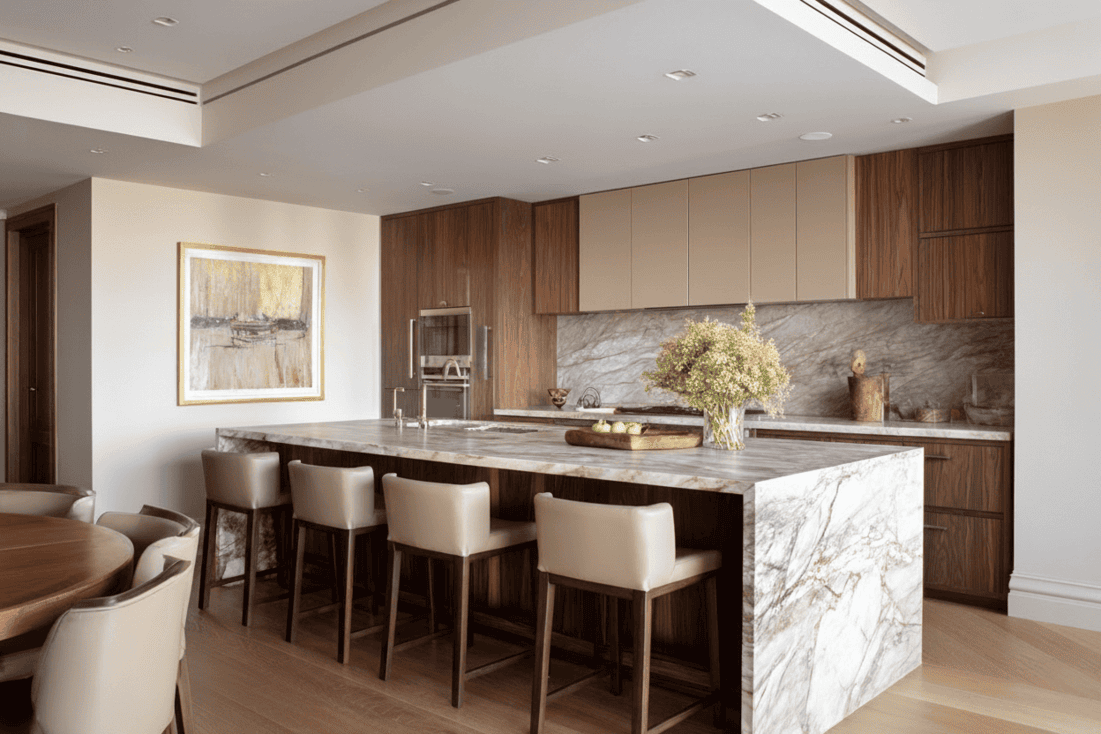
A high-end interior designer in New York City is responsible for planning, coordinating, and overseeing the design, renovation, and furnishing of luxury residences while managing the regulatory, logistical, and operational constraints unique to NYC residential buildings.
A high-end interior designer in NYC is responsible for:
- Developing comprehensive design plans including layouts, finish selections, lighting schemes, millwork specifications, and furniture planning
- Coordinating architectural drawings, engineering plans, and construction documentation required for residential renovations
- Managing approvals from co-op boards, condominium boards, and building management
- Sequencing construction, fabrication, and installation timelines across contractors, vendors, and trades
- Overseeing procurement, delivery coordination, and white-glove installation of furnishings and custom pieces
- Identifying technical conflicts between architectural plans, mechanical systems, and interior layouts before construction begins
- Ensuring renovations comply with NYC Department of Buildings regulations and building alteration agreements
- Acting as the central point of coordination between clients, architects, contractors, and building staff
Renovating a home in New York City involves far more than selecting finishes or hiring a contractor. Most residential buildings especially co-ops and condominiums require formal approval before construction begins. Renovations must also comply with strict building policies covering work hours, elevator reservations, insurance requirements, and material deliveries.
Many projects additionally require filings with the New York City Department of Buildings (DOB) when structural, plumbing, electrical, or mechanical systems are modified. These filings ensure renovations meet city safety standards and building codes.
Without coordinated design oversight, homeowners can encounter delays, design conflicts, unexpected costs, and regulatory problems that are difficult to resolve once construction is underway. Design oversight helps prevent these issues by aligning the design, construction documentation, and building approval process from the beginning.
Incomplete Planning Can Lead to Expensive Mid-Construction Changes
One of the most common problems in NYC renovations occurs when construction begins before the design is fully developed.
In some cases, homeowners start demolition with only rough ideas about finishes, lighting, or cabinetry. While that approach may seem faster initially, it often creates significant complications later in the project.
Common planning gaps include:
- Missing electrical layouts
- Incomplete cabinetry drawings
- Unresolved plumbing fixture locations
- Undecided finish materials
- Furniture layouts that conflict with architectural elements
When these decisions are not finalized before construction begins, contractors may need to stop work while changes are resolved.

This can trigger:
- Change orders
- Schedule delays
- Additional labor costs
- Re-fabrication of millwork or stone
In NYC buildings where construction access is limited to specific days or hours, even small delays can extend a renovation timeline by weeks.
Design oversight helps ensure that drawings, specifications, and selections are completed before construction begins, reducing the likelihood of costly mid-project revisions.
Conflicts Between Architectural Plans and Interior Layouts
Architectural plans focus primarily on structure, building systems, and code compliance. Interior layouts, however, determine how the home actually functions day to day.
Without coordinated oversight, conflicts between these two layers of planning can emerge.
Examples include:
- HVAC vents positioned where cabinetry must be installed
- Lighting centered incorrectly over furniture layouts
- Plumbing fixtures misaligned with vanities or millwork
- Structural columns interfering with kitchen island placement
These conflicts often appear only after construction has begun.
Correcting them can require:

- Opening finished walls
- Relocating electrical wiring or plumbing
- Re-ordering custom cabinetry
- Re-cutting stone countertops
In dense NYC apartments, where space is often limited and layouts are highly precise, these conflicts can significantly affect both aesthetics and functionality.
Design oversight ensures architectural drawings, interior layouts, and millwork plans are coordinated early in the process.
Co-op and Condo Board Rejections
Many NYC residential buildings require board approval before any renovation work can begin.
Co-op and condominium boards typically review:
- Architectural drawings
- Scope of work descriptions
- Contractor insurance certificates
- Building permits
- Construction timelines
These requirements are typically outlined in a building's Alteration Agreement, which establishes rules for renovations.
Without clear documentation and coordination, renovation submissions may be rejected or delayed.
Common reasons for board rejection include:
- Incomplete drawing sets
- Missing insurance documentation
- Work that violates building rules
- Insufficient scope descriptions
These delays can postpone construction by several weeks or even months.
Design oversight helps prepare accurate submission packages that align with building policies and expectations.
Additional information on NYC building regulations can be found here:
Delivery and Access Logistics Can Disrupt Construction
Renovation logistics in New York City are very different from those in suburban homes.
Most apartment buildings impose strict rules governing:
- Freight elevator reservations
- Delivery windows
- Construction work hours
- Noise restrictions
- Insurance certificates for vendors
Some buildings allow construction work only during weekday hours, often between 9:00 AM and 4:30 PM.
Large deliveries such as stone slabs, appliances, or custom furniture—must often be scheduled weeks in advance.
Without coordinated oversight, common logistical problems include:
- Materials arriving without elevator reservations
- Deliveries refused by building staff
- Furniture that does not fit through service elevators
- Contractors unable to work due to scheduling conflicts
Each of these disruptions can stall progress and increase project costs.
Design oversight helps coordinate deliveries, installations, and contractor schedules within the constraints of NYC residential buildings.

Procurement Delays Can Affect the Entire Timeline
Many elements used in high-end residential renovations are custom fabricated.
These items often include:
- Custom cabinetry
- Stone countertops
- Millwork panels
- Built-in storage systems
- Furniture pieces
- Lighting fixtures
Lead times for custom fabrication can range from several weeks to several months.
If these items are not ordered early enough in the project timeline, construction can stall while waiting for materials to arrive.
For example:
- Cabinetry cannot be installed until walls and electrical systems are complete
- Stone templates cannot be taken until cabinetry is installed
- Appliances must be coordinated with cabinetry openings
Design oversight helps sequence procurement so that materials arrive when construction reaches the correct stage.
This prevents gaps where contractors must pause work due to missing materials.
Poor Lighting Planning Can Be Difficult to Correct Later
Lighting design is one of the most technical aspects of interior planning.
In many renovations without design oversight, lighting decisions are made late in the project or based solely on contractor recommendations.
Common lighting mistakes include:
- Insufficient recessed lighting
- Fixtures placed incorrectly relative to furniture layouts
- Missing dimmer controls
- Inadequate task lighting in kitchens or bathrooms
Once ceilings are closed and electrical wiring is installed, correcting lighting problems becomes significantly more expensive.
In some cases, fixing lighting requires reopening ceilings or walls.
Thoughtful lighting planning early in the design process helps ensure the home functions comfortably and visually.

Custom Millwork and Furniture Can Be Measured Incorrectly
Custom cabinetry and built-in millwork are often fabricated months before installation.
Without coordinated design oversight, incorrect measurements can lead to major problems.
Examples include:
- Cabinets that do not fit between walls
- Appliances that conflict with cabinetry openings
- Built-ins blocking HVAC vents
- Furniture that cannot pass through doorways or elevators
Because many NYC apartments have narrow hallways and service elevators, installation logistics must be carefully planned.
Inaccurate measurements or overlooked constraints can require millwork to be re-fabricated.
This can add weeks or even months to a renovation timeline.
Budget Escalation From Uncontrolled Change Orders
Change orders are modifications to the original construction scope that occur after work has begun.
While some changes are unavoidable, many arise when the design is not finalized before construction starts.
Common triggers for change orders include:
- Design decisions made during construction
- Materials substituted after orders are placed
- Uncoordinated architectural drawings
- Late furniture planning that affects layout decisions
Each change order can add both cost and time to a renovation.
In NYC projects where contractors are scheduled across multiple jobs, delays caused by change orders may also push the project to the back of the construction queue.
Design oversight helps minimize change orders by resolving design decisions early.

Final Installation Problems Near Project Completion
The final phase of a renovation often involves installing:
- Furniture
- Artwork
- Window treatments
- Decorative lighting
- Accessories
Without coordinated oversight, problems can surface at the end of the project.
Examples include:
- Furniture that blocks circulation paths
- Artwork lighting positioned incorrectly
- Window treatments that conflict with moldings
- Rugs that are the wrong scale for the room
These issues may seem small, but they affect how the home ultimately feels and functions.
Design oversight ensures that the final installation aligns with the overall design plan.
Frequently Asked Questions
Do you need an interior designer to renovate a NYC apartment?
An interior designer is not legally required for most renovations, but design oversight often helps prevent planning conflicts, delays, and coordination issues. NYC renovations involve multiple approvals, drawings, and logistical constraints that benefit from organized oversight.
Why are NYC renovations more complicated than other cities?
New York City apartments are governed by building rules, co-op board approvals, and construction regulations. Renovations may also require filings with the NYC Department of Buildings when building systems are altered. These requirements add additional layers of planning and coordination.
What is a co-op alteration agreement?
A co-op alteration agreement is a document issued by a building that outlines the rules and requirements for apartment renovations. It typically includes contractor insurance requirements, work hours, permitted construction scope, and submission guidelines.
How long does a NYC apartment renovation usually take?
Timelines vary depending on project complexity, but many apartment renovations take several months from planning to completion. Board approvals, permit filings, and building access rules often extend project timelines compared with renovations in other locations.
Can a contractor manage the entire renovation without a designer?
Contractors typically focus on construction execution rather than design coordination. While some projects proceed without design oversight, lack of coordination between drawings, finishes, and layouts can lead to planning conflicts and revisions.
What approvals are required for NYC renovations?
Many projects require co-op or condo board approval before construction begins. Some renovations also require permits or filings with the NYC Department of Buildings when plumbing, electrical, or structural systems are modified.
Why do renovation deliveries need to be scheduled in NYC buildings?
Most residential buildings control freight elevator access to manage construction traffic and protect common areas. Deliveries must typically be scheduled in advance and coordinated with building management.
What is the most common mistake homeowners make during renovations?
One of the most common issues is starting construction before the design is fully developed. This can lead to mid-project changes, change orders, and delays that increase both cost and project timelines.