

How the Definition of Luxury Interior Design in New York City Has Evolved, and What It Demands Today
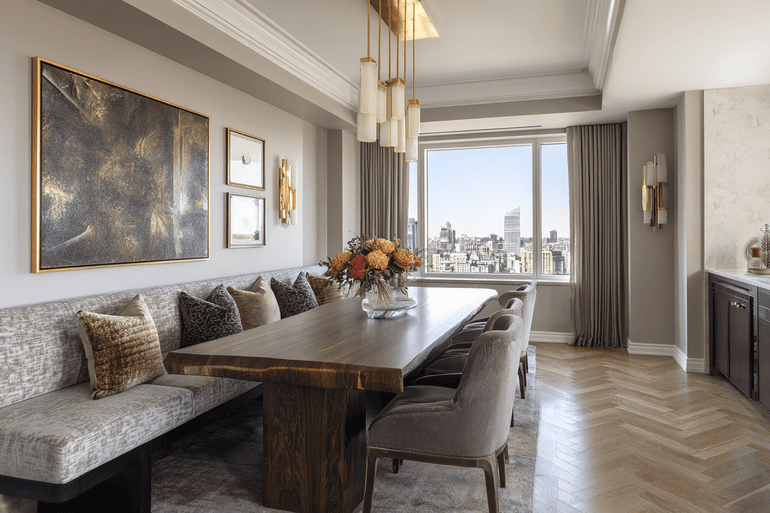
Luxury interior design in New York City today means the seamless integration of craftsmanship, technology, wellness, and personalization, delivered through a level of project management that most homeowners never see. It is no longer defined primarily by expensive materials or recognizable brand names. The definition has shifted toward outcomes: how a home functions, how it feels day to day, and how invisibly the process behind it was handled.
- Luxury now centers on personalization, not just price point
- Wellness features and air, light, and material quality are core expectations
- Technology integration is assumed, not an upgrade
- White-glove project management has become part of what "luxury" means
- NYC's building stock adds a layer of complexity that shapes every decision
In a city with more prewar co-ops, landmarked facades, and vertical construction constraints than almost anywhere else in the country, luxury design has had to evolve alongside the practical realities of renovating here. What worked as a definition of luxury in 2010 does not hold up in 2026.
What Luxury Interior Design Used to Mean in NYC
A decade or two ago, luxury interior design in New York largely meant visible expense. Marble countertops, designer furniture, and a recognizable decorator's name on the project were the primary markers.
The emphasis was on the finished look. Clients hired a designer to select finishes, choose furniture, and make a space photograph well. Coordination with contractors, architects, and building management often happened separately, sometimes without much overlap with the design vision at all.
This is where things usually go wrong when people apply an outdated definition to a current project. A beautiful selection of materials means very little if the co-op board rejects the alteration agreement, or if the HVAC system can't actually support the lighting design that was specified. Older definitions of luxury didn't account for how much of a renovation's success depends on what happens before and between the pretty decisions.

How the Definition Has Shifted
The current definition of luxury interior design has moved from "what it looks like" to "how it works, start to finish." This is the biggest change in the last ten years of high-end residential design in New York.
Several forces pushed this shift:
- Post-pandemic priorities changed what clients value in their homes. Air quality, natural light, and dedicated wellness spaces moved from nice-to-have to expected.
- Smart home technology became a baseline, not a feature. Lighting, climate, and security systems are now expected to work together invisibly.
- Sustainability and material sourcing became part of the luxury conversation. Clients increasingly ask where materials come from and how they were made, not just how they look.
- Regulatory complexity in NYC increased the value of full coordination. DOB filings, LPC review for landmarked buildings, and co-op board approvals have only gotten more involved, not less.
What most people don't realize is that this shift in definition has less to do with taste and more to do with how complicated it has become to execute a high-end renovation in this city. The materials haven't changed as much as the process required to use them well.
Why NYC's Building Stock Changes the Definition
New York's housing stock is a major reason luxury design here looks different from luxury design in most other American cities. A large share of the city's high-end apartments sit inside prewar buildings, co-ops with strict boards, or structures under Landmarks Preservation Commission jurisdiction.
Each of these adds real constraints:
- Prewar buildings often have plaster walls, older wiring, and layouts that resist open-concept changes without structural review.
- Co-op boards require alteration agreements, contractor insurance documentation, and approval timelines that can stretch a project by months if not managed correctly.
- Landmarked buildings may require LPC approval for any exterior-visible changes, including window replacements and certain rooftop work.
- Building-specific rules around work hours, elevator use, and material deliveries vary block to block and building to building.
In NYC projects, this comes up often: a client falls in love with a design direction before anyone has confirmed whether the building will actually permit it. Luxury design here has to account for the building itself as a design constraint, not an afterthought.

Personalization Has Replaced Trend-Following
Luxury today means a home designed around how a specific family actually lives, not around what's currently popular in shelter magazines. This is one of the clearest markers of the shift.
A decade ago, luxury projects often followed visible design trends closely, open shelving, particular color palettes, specific furniture lines that signaled a certain price point. Today, the strongest high-end projects in New York tend to look less alike from one home to the next, because they are built around the client's actual routines rather than a shared aesthetic template.
This shows up in practical ways:
- A primary suite designed around an early-morning routine, not a showroom layout
- Kitchen storage built for how a family actually cooks, not how a kitchen photographs
- Home offices designed for real video-call lighting and acoustics, not just aesthetics
- Closets and storage systems sized to an actual wardrobe, not a generic template
For most renovation projects in NYC, a full-service interior designer is the most practical choice for achieving this level of personalization, because it requires someone tracking both the aesthetic vision and the logistical detail simultaneously.
Wellness and Air Quality Are Now Core to the Definition
Wellness-focused design has become a standard expectation in high-end NYC homes, not an add-on. This includes air filtration, natural light optimization, water quality, and materials selected with health in mind.
Here's where this matters in a dense urban environment. New York apartments face air quality challenges that suburban or rural homes simply don't, from traffic pollution to older HVAC systems that recirculate air without adequate filtration. High-end projects increasingly address this directly, with upgraded filtration systems, non-toxic material choices, and lighting plans that account for circadian rhythm.
Common wellness features in current luxury projects include:
- Whole-home or room-specific air filtration systems
- Circadian lighting systems that shift color temperature through the day
- Water filtration integrated at the point of use
- Low-VOC paints, sealants, and finishes throughout
- Dedicated spaces for movement, meditation, or recovery
This isn't a passing trend. In high-end residential work, this approach tends to produce the strongest results because it addresses how a home actually affects the people living in it, not just how it looks in photographs.

Technology Integration Without Visible Complexity
Smart home technology is now assumed in luxury NYC interiors, but the luxury is in how invisible it feels, not in the technology itself. Exposed panels, visible wiring, and clunky interfaces read as outdated rather than high-end.
The current standard involves systems that operate quietly in the background. Lighting, climate, security, and audio are integrated so that a homeowner interacts with them intuitively, often without thinking about the underlying infrastructure at all.
This requires early coordination between designers, architects, and technology integrators, well before finishes are selected. Retrofitting smart systems into a nearly finished space almost always results in visible compromises, exposed conduit, awkward panel placement, or systems that don't talk to each other cleanly.
The Rise of Full-Service as the Expected Model
In New York City, most high-end renovations are led by full-service interior design firms because of the level of coordination involved. This has become the standard approach, not an exception.
A full-service model typically includes:
- Design development and material sourcing
- Architectural and structural coordination
- Contractor selection and oversight
- DOB filing management and building department coordination
- Co-op or condo board application support
- Trade scheduling and on-site project management
- Furniture procurement, delivery coordination, and installation
The alternative, hiring separate designers, architects, and contractors and managing the handoffs personally, was more common when the definition of luxury centered on selections rather than execution. As execution has become the harder problem to solve, full-service interior design in NYC has become the practical default for clients who don't want to take on a second job managing their renovation.

What the White-Glove Experience Actually Looks Like
Clients working with a high-end interior designer NYC firm typically never see most of the coordination happening behind their project. That's by design, not by accident.
Behind the scenes, a full-service team is usually managing dozens of moving pieces at once: confirming trade schedules, tracking material lead times, handling building management communications, and adjusting for the inevitable surprises that come up once walls open in a hundred-year-old building. The client's experience is a series of clear updates and decisions, not a stream of logistical problems.
This is where things usually go wrong without that layer of management. A client managing their own contractor relationships often finds out about a scheduling conflict or a building violation after it has already caused a delay, rather than before.
Comparison: Old Definition vs. Current Definition of Luxury
| Aspect | Older Definition (2010s) | Current Definition (2026) |
|---|---|---|
| Primary focus | Visible finishes and brand names | Personalization and how the home functions |
| Wellness | Rarely a design consideration | Core expectation, built into materials and systems |
| Technology | Optional upgrade | Assumed, integrated invisibly |
| Coordination | Often handled separately from design | Fully integrated through full-service management |
| Regulatory complexity | Managed reactively | Anticipated and managed proactively from day one |
| Client involvement | Frequent decision-making on logistics | Decisions focused on vision, not process |

How to Evaluate Whether a Design Firm Meets the Current Definition
A firm meeting today's definition of luxury interior design should be able to speak fluently about both aesthetic vision and NYC-specific regulatory process in the same conversation. If a firm can only speak to one side of that equation, the gap usually shows up mid-project.
Questions worth asking a prospective designer:
- Do they handle DOB filings and co-op board applications directly, or is that left to the client?
- How do they approach technology integration, and at what stage of the project?
- What wellness or air quality considerations do they build into a typical project?
- Can they speak specifically to prewar or landmarked building constraints?
- Who manages the day-to-day contractor relationship once construction begins?
FAQ
What does luxury interior design mean in New York City today?
It means a home that is highly personalized to how the client actually lives, built with attention to wellness and air quality, integrated with invisible smart technology, and delivered through full-service project management that shields the client from logistical complexity.
How is luxury interior design different now compared to ten years ago?
The earlier definition centered on visible expense and recognizable finishes. The current definition centers on personalization, wellness, and seamless execution, with less emphasis on trend-following.
Why does NYC's building stock affect the definition of luxury design?
A large share of high-end apartments sit in prewar buildings, co-ops, or landmarked structures, each with regulatory and structural constraints that shape what's possible. Luxury design in NYC has to account for the building itself, not just the finishes.
Is full-service interior design necessary for a high-end renovation in NYC?
For most renovation projects in NYC, a full-service interior designer is the most practical choice, given the coordination required across DOB filings, board approvals, and trade scheduling. Managing these separately increases both risk and timeline.
What role does wellness play in current luxury design?
Wellness has become a core expectation rather than an add-on, showing up through air filtration, circadian lighting, water quality, and non-toxic materials throughout the home.
Does luxury design always mean expensive materials?
Not necessarily. While quality materials remain part of high-end design, the current definition places more weight on personalization, function, and seamless execution than on price point alone.
How is technology typically integrated into luxury NYC homes?
The strongest current projects integrate lighting, climate, security, and audio systems early in the design process so the technology operates invisibly, without exposed panels or awkward retrofits.
What does a white-glove design experience actually involve?
It means the client focuses on vision and decisions, while the design firm manages logistics behind the scenes, including trade scheduling, building communications, and problem-solving as issues arise.
How do co-op and condo boards affect the design process?
Boards often require alteration agreements, contractor documentation, and approval timelines that can significantly affect a project's schedule if not managed proactively from the start.
What should someone look for when choosing a luxury interior designer in NYC?
Look for a firm that can speak fluently to both aesthetic vision and NYC-specific regulatory process, including DOB filings, board applications, and building-specific constraints, and that manages contractor coordination directly.