

The Long-Term Value of Hiring a Full-Service Interior Designer in NYC
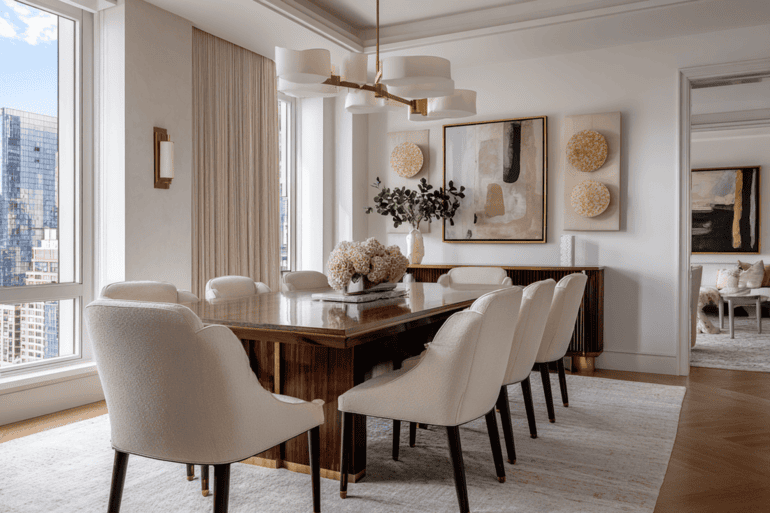
A full-service interior designer in New York City is responsible for managing the planning, design, procurement, and execution of residential interiors, within the regulatory, logistical, and building-specific constraints of complex urban properties.
- A high-end interior designer in NYC is responsible for:
- developing a comprehensive design plan aligned with architectural layouts and client requirements
- coordinating with architects, contractors, and consultants throughout all project phases
- managing procurement, vendor relationships, and purchasing across multiple suppliers
- overseeing project timelines, sequencing, and on-site execution
- navigating co-op and condominium approval processes and documentation
- coordinating delivery logistics, freight scheduling, and white-glove installation
- ensuring compliance with NYC Department of Buildings (DOB) regulations and building rules
In New York City, interior design is shaped by layers of constraints that do not exist in most other markets. Co-op boards and condominium associations often require detailed renovation packages, including drawings, material specifications, and contractor information, before any work can begin. These approvals can take weeks or months, and errors or omissions can delay projects significantly.
The NYC Department of Buildings (DOB) regulates construction work, including permits, inspections, and compliance with building codes. Projects that involve plumbing, electrical, or structural changes must meet strict requirements, and filings must be handled correctly to avoid violations or stop-work orders.
Beyond approvals, logistical realities such as service elevator reservations, restricted delivery hours, and limited on-site storage directly impact how a project is planned and executed. A full-service interior designer accounts for these factors early, which helps prevent delays, cost overruns, and coordination issues later in the process.
What “Long-Term Value” Actually Means in NYC Interior Design
When you hire a full-service interior designer, the value extends far beyond how your home looks when the project is complete. In NYC, long-term value is tied to how well decisions hold up over time, functionally, financially, and logistically.
A well-designed home reduces the need for future corrections. Layout decisions, material selections, and built-in elements are considered carefully from the start, which minimizes costly revisions later.
Long-term value also includes:
- fewer construction errors due to coordinated planning
- reduced maintenance issues through better material selection
- improved resale positioning in a competitive NYC market
In a city where renovations are expensive and disruptive, getting it right the first time is one of the most important financial advantages.

Strategic Planning Prevents Expensive Rework
Why early design decisions matter
In many NYC projects, homeowners begin construction before design decisions are fully resolved. This often leads to mid-project changes, which are costly and time-consuming.
A full-service designer develops a complete plan before construction begins. This includes:
- detailed layouts and space planning
- lighting and electrical coordination
- material and finish selections
Because everything is considered upfront, contractors can execute without interruption. This reduces change orders, delays, and unnecessary labor costs.
The cost of getting it wrong
In NYC, even small changes can have outsized financial impact. For example:
- moving plumbing after installation requires reopening walls and re-permitting
- changing cabinetry dimensions can delay fabrication timelines
- adjusting lighting layouts may require new electrical work
A structured design process avoids these scenarios, which protects both your timeline and your budget.
Procurement Expertise Protects Your Investment
Access to vetted vendors and materials
Full-service designers work with established vendors, fabricators, and suppliers. This gives you access to:
- higher-quality materials
- custom or made-to-order furnishings
- more reliable production timelines
In NYC, where lead times can be unpredictable, this network is critical.
Avoiding costly purchasing mistakes
Without guidance, it’s easy to select items that don’t meet project requirements. Common issues include:
- incorrect sizing for NYC apartments with tight clearances
- materials that are not approved by building management
- finishes that do not hold up to long-term use
A designer reviews every specification before ordering, which reduces the risk of returns, replacements, or delays.

Coordination Across Teams Reduces Risk
Managing architects, contractors, and consultants
NYC projects often involve multiple professionals working simultaneously. Without coordination, gaps in communication can lead to errors.
A full-service designer acts as the central point of contact, ensuring that:
- drawings are aligned across disciplines
- construction sequencing is logical
- design intent is maintained during execution
Preventing on-site conflicts
When teams are not aligned, issues typically appear during construction. These can include:
- mismatched dimensions between millwork and architecture
- lighting placements that conflict with ceiling conditions
- material substitutions that alter the design outcome
By overseeing coordination, a designer reduces the likelihood of these problems.
Navigating NYC Approvals and Regulations
Co-op and condominium requirements
Most NYC residential buildings require formal approval before renovations begin. This process typically includes:
- submission of architectural drawings
- contractor insurance and licensing documentation
- detailed scope of work descriptions
Delays in approval often come from incomplete or unclear submissions.
A designer familiar with these processes helps ensure that documentation is accurate and aligned with building expectations.
DOB compliance and filings
Work involving plumbing, electrical, or structural changes must comply with NYC DOB regulations. This may require permits, inspections, and sign-offs.
Failure to comply can result in:
- fines or violations
- stop-work orders
- delays in project completion
A full-service designer coordinates with licensed professionals to ensure compliance from the start.

Logistics and Installation Are Where Projects Often Break Down
The complexity of NYC deliveries
Unlike suburban homes, NYC properties have strict delivery constraints. These can include:
- limited service elevator hours
- required Certificates of Insurance (COIs) for vendors
- restrictions on packaging and debris removal
Missed deliveries or improper scheduling can delay installations by weeks.
White-glove installation and final execution
A full-service designer manages:
- receiving and inspection of items
- coordination of installation teams
- resolution of damages or discrepancies
This ensures that the final result matches the original design intent, without last-minute compromises.
Design Decisions That Age Well Over Time
Balancing aesthetics and function
Long-term value comes from decisions that remain relevant and functional. This includes:
- layouts that support daily living
- materials that wear well over time
- lighting that adapts to different uses
A designer considers how your home will be used not just now, but years from now.
Avoiding trend-driven mistakes
In NYC, redesigning a space is not simple or inexpensive. Trend-based decisions can quickly feel outdated, leading to unnecessary renovations.
A full-service approach focuses on:
- proportion and scale
- material quality
- timeless design principles
These elements hold their value longer and reduce the need for future updates.

Financial Value Beyond the Project Itself
Supporting resale and appraisal value
Well-designed homes tend to perform better in the NYC real estate market. Buyers often look for:
- cohesive, move-in-ready interiors
- high-quality finishes
- thoughtful layouts
A professionally designed home can differentiate your property in a competitive market.
Reducing hidden costs over time
Long-term financial benefits include:
- fewer repairs and replacements
- reduced need for redesign
- better durability of materials and furnishings
These factors contribute to overall cost savings, even if they are not immediately visible.

Frequently Asked Questions
Is hiring a full-service interior designer worth it in NYC?
Yes, because NYC projects involve approvals, logistics, and coordination that are difficult to manage without experience. A designer helps prevent costly mistakes and delays.
How does a designer save money long-term?
By planning thoroughly upfront, coordinating teams, and selecting appropriate materials, a designer reduces the need for rework, replacements, and corrections.
Do I still need a designer if I have a contractor?
Yes. Contractors execute the work, but they do not typically manage design decisions, procurement, or overall coordination between all parties.
What happens if I skip the design phase?
Skipping design often leads to mid-project changes, delays, and additional costs. In NYC, these issues can compound quickly due to building restrictions.
How do designers handle NYC building approvals?
Designers prepare and coordinate documentation required by co-op boards and condominium associations, ensuring submissions are complete and aligned with building rules.
Can a designer help with small apartments?
Yes. Space planning is especially important in NYC, where efficient layouts can significantly improve how a home functions.
Are designer-selected materials more durable?
In many cases, yes. Designers select materials based on performance, not just appearance, which helps them hold up over time.
How involved do I need to be in the process?
A full-service approach minimizes your involvement by managing decisions, coordination, and execution on your behalf.