

When Hiring a High-End Interior Designer in NYC Makes Sense
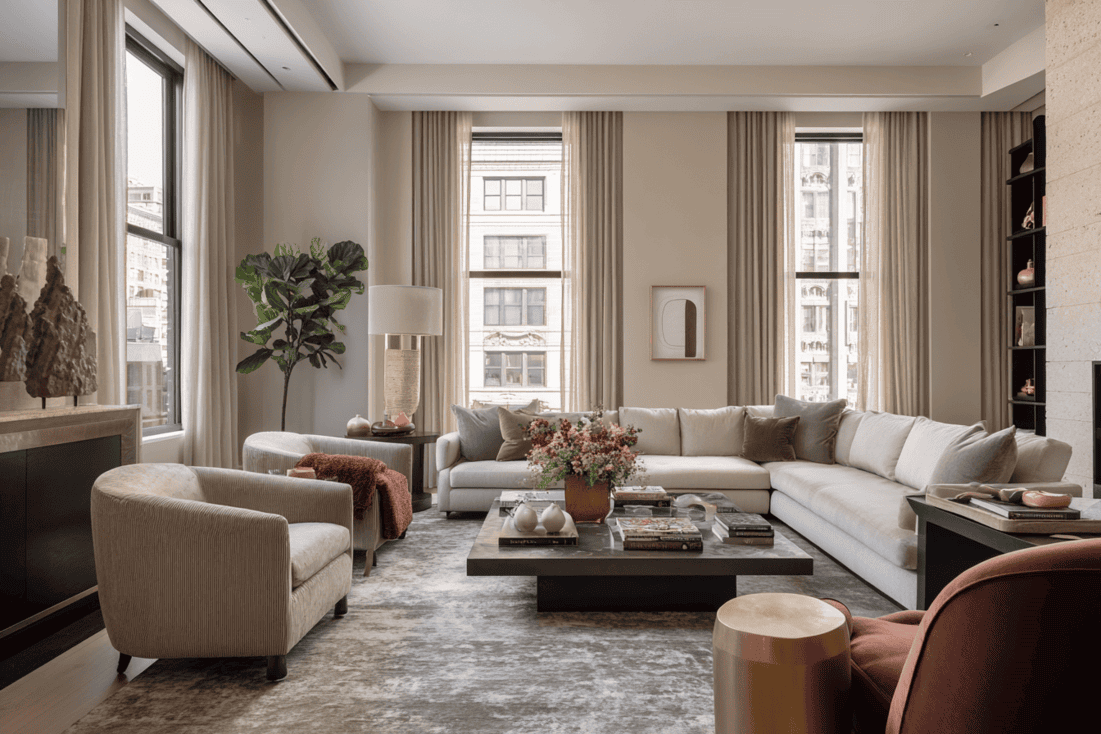
A high-end interior designer in New York City is responsible for planning, coordinating, and overseeing luxury residential interior projects from concept through installation, within the regulatory, architectural, and logistical constraints unique to NYC housing.
A high-end interior designer in NYC is responsible for:
- Translating client goals into a cohesive design direction aligned with the home’s architecture and use
- Developing detailed space plans that comply with building codes and life-safety requirements
- Coordinating approvals with co-op boards, condominium associations, and building management
- Managing design documentation, schedules, and consultant collaboration
- Specifying finishes, fixtures, furnishings, and custom elements
- Overseeing procurement, delivery, and installation sequencing
- Acting as a point of coordination across trades to protect design intent
In New York City, residential design is shaped as much by regulation and logistics as by aesthetics. Most apartments and townhomes are governed by co-op boards, condominium associations, or landmark and zoning rules that directly affect what can be built, when work can occur, and how materials move in and out of a building.
Renovations often require filings, permits, and inspections overseen by the New York Department of Buildings, along with strict adherence to building alteration agreements, insurance requirements, and access rules. These constraints impact timelines, costs, and design feasibility, which is why experienced oversight matters.
What “High-End” Actually Means in the NYC Design Context

In New York City, high-end interior design is less about luxury finishes alone and more about complexity, responsibility, and risk management. Projects are often large in scope, involve multiple consultants, and unfold within tightly controlled residential buildings.
A high-end designer is expected to anticipate constraints before they become problems. That includes understanding what a building will and will not approve, how long reviews typically take, and how design decisions affect downstream construction and installation.
This level of work goes beyond decoration. It involves systems thinking, sequencing, and detailed coordination that protects both the client’s investment and the integrity of the home.
When the Scope Exceeds Furnishings and Paint
Hiring a high-end interior designer makes sense when a project extends beyond surface-level updates. Once walls move, systems change, or custom elements are introduced, the margin for error narrows quickly.
Examples of scope that typically require professional oversight include:
- Kitchen or bathroom renovations involving plumbing or electrical changes
- Custom millwork tied into architectural conditions
- Integrated lighting plans, HVAC coordination, or smart home systems
- Full-home renovations or multi-room projects
In these cases, design decisions affect construction sequencing, permitting, and long-term performance. A designer helps ensure those decisions are made with the full picture in mind.
Navigating Co-Op and Condominium Approval Processes

Most NYC apartments are subject to building approval before work can begin. These reviews are not informal and often require detailed submissions.
A high-end interior designer prepares and coordinates:
- Drawing sets tailored to building submission standards
- Finish and scope descriptions required by boards
- Responses to review comments or revision requests
Approval timelines can range from weeks to months. Knowing how to prepare accurate, complete submissions reduces delays and minimizes costly redesigns later in the process.
Managing NYC Construction and Renovation Constraints
Renovation work in NYC is governed by rules that affect daily operations. These rules shape how a project is planned and executed.
Common constraints include:
- Limited work hours and holiday blackout periods
- Freight elevator scheduling and reservations
- Noise restrictions and neighbor protections
- Strict delivery windows and staging limitations
A high-end interior designer accounts for these realities early. That planning helps align expectations and prevents last-minute disruptions that can derail a project.

Coordinating Consultants and Trades
As project complexity increases, so does the number of people involved. Architects, engineers, contractors, millworkers, lighting designers, and installers may all play a role.
A designer serves as a central point of coordination by:
- Aligning drawings and specifications across disciplines
- Clarifying design intent for trades
- Identifying conflicts before work begins
Without this oversight, gaps in communication can lead to errors that are expensive and difficult to correct in a finished home.
Protecting Budget Through Informed Decision-Making
High-end projects involve significant financial investment. Small missteps can carry outsized costs in NYC due to labor rates, access limitations, and material lead times.
A designer helps protect budget by:
- Evaluating feasibility before committing to custom work
- Flagging cost implications tied to building rules or site conditions
- Sequencing purchases to align with construction and storage realities
This guidance allows clients to make informed choices rather than reactive ones.
Procurement, Delivery, and Installation Oversight

In New York City, getting items into a home is often as challenging as selecting them. Large furniture, stone slabs, and custom pieces require precise coordination.
A high-end interior designer manages:
- Vendor communication and production tracking
- Delivery logistics tied to building requirements
- Installation sequencing across multiple trades
This oversight reduces damage, delays, and disputes, especially in buildings with limited access or strict move-in policies.
When Time and Decision Fatigue Become Factors
Many homeowners seek professional design support not because they lack taste, but because they lack time. NYC projects demand ongoing attention and decision-making.
A designer acts as a steward of the process by:
- Narrowing options to those that fit the project goals
- Managing details that would otherwise consume client time
- Keeping the project moving through inevitable pauses and reviews
This role becomes especially valuable for clients balancing demanding schedules.
Renovating Historic or Prewar Buildings
Prewar apartments and historic townhomes bring additional layers of complexity. Existing conditions are often undocumented, and changes must respect structural and architectural limits.
Designers experienced in these buildings understand:
- How to work within existing layouts and constraints
- When specialized consultants are required
- How to balance modern function with original character
That experience reduces surprises once walls are opened and systems are exposed.

Frequently Asked Questions
Do I need a high-end interior designer for a small NYC apartment?
If the work involves renovations, custom elements, or building approvals, professional oversight is often beneficial regardless of square footage.
Can a designer help with co-op board approvals?
Yes. Designers routinely prepare and coordinate submission packages required by co-op and condominium boards.
Is hiring a designer required for DOB permits?
Permits themselves are typically filed by architects or engineers, but designers coordinate the documentation and scope that supports those filings.
When should I bring a designer onto the project?
Ideally before finalizing scope or hiring contractors, so design decisions align with building and regulatory constraints.
Does a high-end designer replace an architect?
No. Designers and architects have distinct roles, though they often collaborate closely on residential projects.
How involved is a designer during construction?
In high-end projects, designers typically remain involved to review progress, answer questions, and protect design intent.
Can a designer help prevent costly mistakes?
Experience with NYC buildings helps identify risks early, reducing the likelihood of rework or delays.
Is hiring a designer only about aesthetics?
No. In NYC, design services often center on planning, coordination, and execution within complex environments.