

Can You Hire an Interior Designer Before You Know Exactly What You Want?
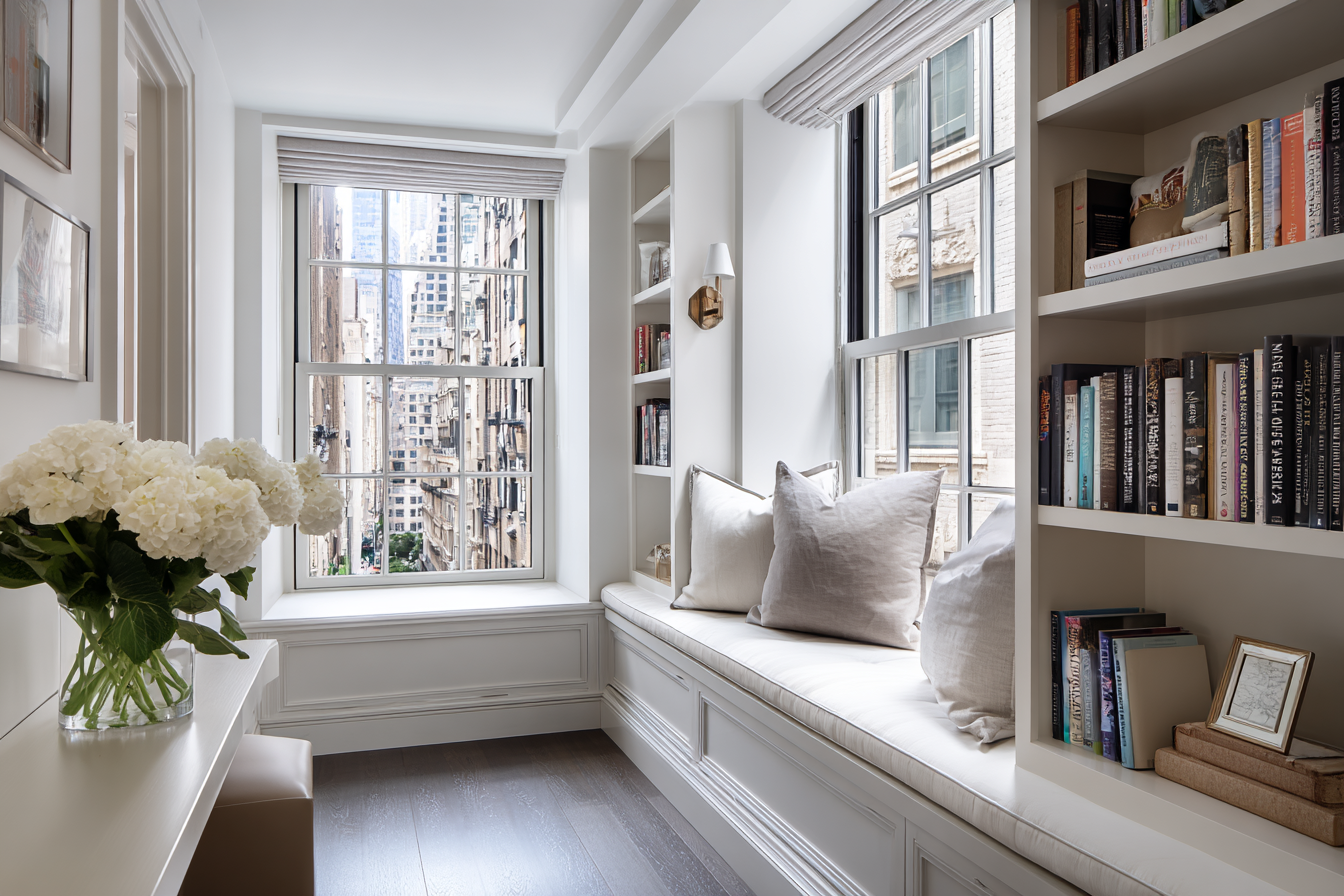
Yes, you can hire an interior designer before you know exactly what you want, and in most high-end projects, that is actually the best time to do it.
- Defining the direction of a home is part of the designer's job, not something clients need to finish beforehand.
- Early involvement shapes layout, budget, and timeline decisions before they get locked in.
- Most clients arrive with fragments: saved images, a few strong opinions, and a list of what isn't working.
- A clear vision usually comes out of the design process rather than going into it.
In New York City, timing carries extra weight. Co-op and condo board approvals, alteration agreements, DOB filings, and long lead times on custom pieces mean early decisions affect everything that follows. Bringing in a designer while your ideas are still loose lets those ideas develop inside the real constraints of your building, instead of running into them halfway through.
What Does "Not Knowing What You Want" Actually Look Like?
Most people who say they don't know what they want actually know quite a lot; they just haven't put it into words yet.
When new clients describe where they are, it usually sounds something like this:
- "I know I want it to feel calmer, but I don't know what that looks like."
- "I've saved hundreds of photos and they don't seem to have anything in common."
- "I know what I hate about the current apartment. I'm less sure about what I'd love."
- "My partner and I have completely different taste."
- "We just bought the place and haven't lived in it long enough to know."
None of these are problems. They're starting points.
What most people don't realize is that a designer doesn't need a finished brief. A designer needs honest information about how you live, what bothers you, and what you respond to. Turning that into a coherent direction is the work itself.

Why Is Hiring a Designer Early Usually the Better Choice?
Hiring a designer early gives you more options, fewer expensive reversals, and a more cohesive final result.
The earlier a designer is involved, the more of the project they can actually shape. Once walls are moved, electrical is roughed in, and cabinetry is ordered, the design conversation narrows to finishes and furniture. That's still meaningful work, but it isn't the same as designing the home.
Layout Decisions Come Before Style Decisions
Where you place a wall, a lighting circuit, or a kitchen island matters far more than which sofa you choose. These decisions are hard to change later, and they quietly determine how a space feels to live in.
A designer involved from the start can think about furniture placement, sightlines, and natural light while the plan is still flexible. That's how rooms end up feeling intentional rather than retrofitted.
Your Budget Gets Allocated With Intention
Without a designer, budgets tend to get spent in the order decisions come up. The kitchen absorbs more than planned, and by the time you reach the living room, there's less left than you'd like.
Early involvement lets a designer map the investment across the whole home. You decide together where it's worth spending more and where restraint works better.
Lead Times Start Sooner
Custom upholstery, stone slabs, specialty lighting, and millwork can take months to produce. In NYC projects, this comes up often, because building rules restrict when work can happen and delays compound quickly.
When a designer is on board early, long-lead items get specified and ordered while construction is still underway. That keeps the move-in date realistic.
How Does a Designer Help You Figure Out What You Want?
A good designer uncovers your preferences through conversation, observation, and your reactions to real materials, rather than asking you to describe a style.
Very few people can articulate their taste in design terms, and they shouldn't have to. Reacting is far easier than describing. Most clients know immediately when something feels right, even if they couldn't have named it in advance.
A typical discovery process includes:
- Conversations about daily life. How you start your mornings, where you actually sit in the evening, how often you host, what you want guests to feel.
- Time in the space. Seeing how light moves through the apartment, what the views offer, and how the existing architecture behaves.
- Reviewing your saved images. Not to copy them, but to find the common thread. Often it's a color temperature, a sense of openness, or a material quality.
- Reacting to physical samples. Holding a piece of stone or feeling a fabric tells you more than any photo can.
- A concept presentation. The designer pulls everything together into a direction you can see, respond to, and refine.
Here's where this matters. Clients who start without a clear vision often end up with homes that feel more personal than clients who arrive with a fixed one. They aren't anchored to a trend or a photo of someone else's apartment. The design is built around how they actually live.

What Should You Know Before Your First Meeting?
You only need a general sense of scope, timing, and investment range; everything else can be developed together.
It helps to think through a few practical questions before your first conversation with a designer:
- Scope. Is this a full renovation, a partial renovation, or furnishing a space that's already been built out?
- Timing. Do you have a target move-in date, a lease ending, or a family event driving the schedule?
- Investment. What range are you comfortable with for the overall project, even approximately?
- Priorities. Which rooms matter most to you, and which can wait?
- Building context. Is it a co-op, condo, or townhouse? Are there known board requirements or landmark restrictions?
You don't need answers about colors, furniture styles, or materials. If you have opinions, share them. If you don't, that's completely normal.
Signs You're Ready to Hire a Designer, Even Without a Vision
You're ready to bring in a designer when you know a project is coming, even if you don't know what it should look like yet.
Some common signals:
- You've just closed on an apartment or townhouse and are planning to renovate before moving in.
- You've been living with a space for years and it no longer fits your life.
- Your household is changing: a growing family, children leaving, or more time spent working from home.
- You've started collecting ideas but feel overwhelmed rather than inspired.
- You're about to hire a contractor or architect and want design input before plans are finalized.
That last one deserves attention. For most renovation projects in NYC, bringing in a designer before construction drawings are finalized is the most practical choice. It's far easier to shape a plan than to rework one.

What Happens If You Wait Until You Have It All Figured Out?
Waiting for a fully formed vision often leads to decisions that are expensive, or impossible, to undo.
This is where things usually go wrong. A homeowner spends months refining an idea on their own, then brings in a designer after key choices are already made. By then, several problems tend to surface:
- The layout was approved with a contractor, and it doesn't support the furniture or lifestyle the client now wants.
- Pieces were purchased early and don't suit the scale or proportions of the finished rooms.
- The inspiration doesn't translate to a pre-war building with plaster walls, irregular ceilings, and older systems.
- Board submission windows were missed, pushing the schedule back by weeks or months.
There's also a quieter cost. Clients who try to arrive at a finished vision alone often second-guess themselves through the whole project. Without someone guiding the direction, every decision feels isolated, and the home can end up as a collection of individually good choices that don't quite belong together.
In New York City, most high-end renovations are led by full-service interior design firms because of the level of coordination involved. The design direction, the board process, the trades, and the procurement all depend on one another, and they work best when one team holds the full picture from the beginning.
Hiring Early vs. Hiring After You've Decided
Hiring a designer early gives you a guided process and a more unified home, while hiring later limits the designer to working within choices that are already set.
| Hiring Early | Hiring After Decisions Are Made | |
|---|---|---|
| Layout input | Designer shapes the floor plan | Designer works within an existing plan |
| Budget planning | Allocated across the whole home | Often already partially spent |
| Lead times | Long-lead items ordered on schedule | Ordering may delay move-in |
| Board and building process | Coordinated from the start | Revisions may require resubmission |
| Cohesion | One direction across every room | Harder to unify existing choices |
| Client effort | Guided, with fewer decisions made alone | More rework and second-guessing |
Hiring later isn't a mistake. Designers regularly step into projects already underway and still make a significant difference. The point is simply that earlier involvement gives you more to work with.
In high-end residential work, starting with the designer and building the team around a single design direction tends to produce the strongest results.

What Does This Process Feel Like With a Full-Service Designer?
With full-service interior design in NYC, you focus on decisions that matter to you while the designer manages everything behind them.
Clients are often surprised by how little they have to manage. You aren't chasing contractors, tracking deliveries, or reading through building alteration agreements. Those things happen in the background, handled by the design team, and you're brought in at the moments when your input actually shapes the outcome.
That structure is especially helpful for clients who don't yet know what they want. You aren't asked to make dozens of decisions at once. The designer presents options at the right moment, with context, so each choice feels manageable.
If you're looking for a high-end interior designer NYC homeowners rely on for this kind of project, the real question isn't whether you're ready with a vision. It's whether the designer can guide you to one while handling everything else.
How to Choose a Designer When You're Still Undecided
The right designer for an undecided client is one who listens carefully and doesn't impose a signature style.
A few things to look for:
- A portfolio with range. If every project looks the same, you may end up with the designer's taste rather than your own.
- Thoughtful questions. In a first meeting, a good designer asks more than they tell.
- A clear process. They should be able to explain how they move from discovery to concept to execution.
- Full-service capability. Someone who manages procurement, trades, and building coordination keeps the vision intact as it's built.
- Experience with NYC buildings. Board approvals, pre-war construction, and building rules shape what's possible.
Trust your sense of the conversation. If you leave the first meeting feeling more clear than when you arrived, that's a good sign.

Frequently Asked Questions
Can I hire an interior designer if I don't know my style?
Yes. Most clients don't have a defined style when they start. Identifying your preferences through conversation, your reactions to materials, and how you live is a core part of the design process.
When is the best time to hire an interior designer for a renovation?
The best time is before construction drawings are finalized. Early involvement lets the designer influence layout, lighting, and budget decisions that are difficult to change later.
What should I bring to my first meeting with an interior designer?
Bring a general idea of scope, timing, and investment range. Saved images, floor plans, and building information are helpful but not required.
Will a designer push their own style on me?
A good designer shouldn't. Look for a portfolio with variety and a designer who asks detailed questions about how you live before proposing anything.
What if my partner and I have different tastes?
This is very common. A designer helps find the overlap between two perspectives and creates a direction that feels right to both people, often something neither would have arrived at alone.
Is it a waste of money to hire a designer before I have a clear plan?
No. Early guidance usually saves money by preventing layout mistakes, poorly timed purchases, and rework. Designers add the most value at the beginning of a project.
How does a designer figure out what I like?
Through discovery conversations, time in your home, a review of images you're drawn to, and your reactions to physical samples. Reacting to real options is often easier than describing your taste.
Can I hire a designer after construction has already started?
Yes, but the designer's influence will be more limited. Many decisions about layout, electrical, and built-ins may already be fixed by that point.
Do I need to manage contractors and deliveries myself?
Not with full-service interior design in NYC. The design firm coordinates trades, procurement, deliveries, and building requirements, so clients stay focused on key decisions.
How long does the discovery phase usually take?
It typically takes a few weeks, depending on the project's size and how quickly decisions move. The goal is a clear design direction before major commitments are made.
The Bottom Line
You don't need to know exactly what you want before hiring an interior designer; you only need to know a project is coming.
Uncertainty at the start is normal, and it's often where the most personal homes begin. A designer's role is to turn loose ideas, frustrations, and instincts into a direction that fits your life and your building. The earlier that process starts, the more room there is to get it right.