

What Sets High-End Residential Interior Designers in NYC Apart
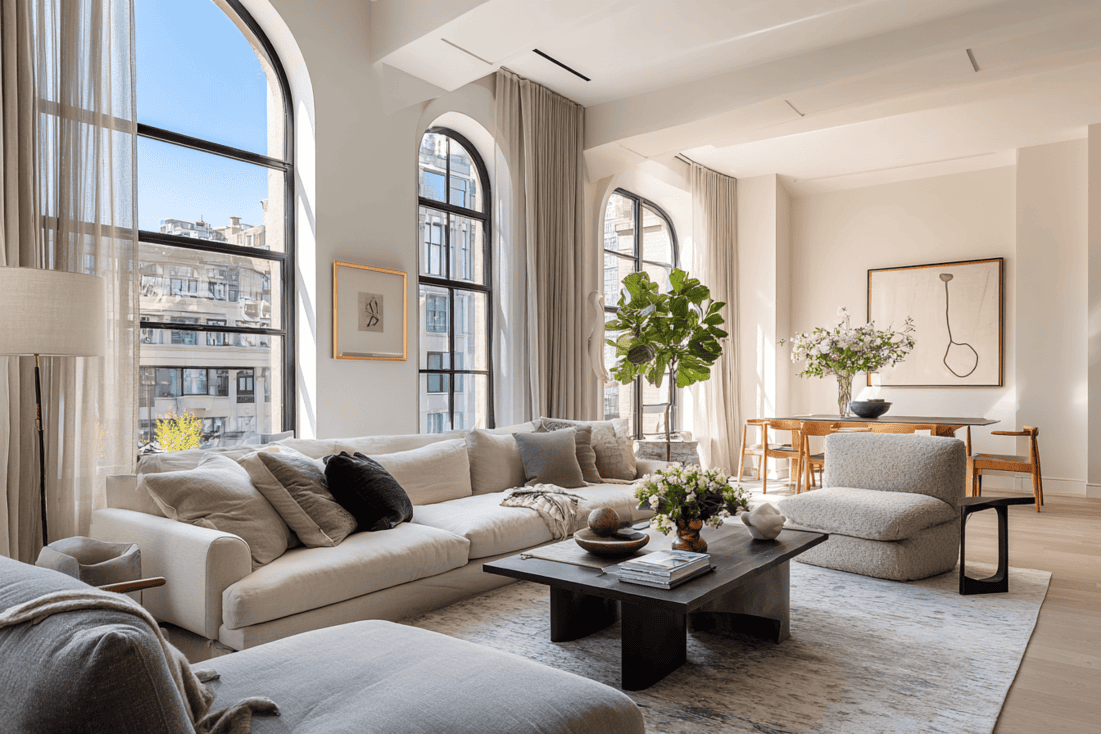
A high-end residential interior designer in New York City is responsible for planning, coordinating, and overseeing complex residential interiors within strict regulatory, architectural, and operational constraints specific to NYC housing.
A high-end interior designer in NYC is responsible for:
- Spatial planning that aligns with existing building architecture and life-safety requirements
- Coordinating approvals with co-op boards, condominium associations, and property management
- Managing renovation documentation, filings, and sequencing with licensed professionals
- Overseeing furnishings, finishes, and custom millwork procurement under access and delivery limits
- Integrating construction, furniture installation, and move-in timelines with building rules
Designing in New York City involves layers of regulation and logistics that do not exist in most other markets. Many residential projects require review by co-op boards or condominium associations before work can begin, often with strict rules around materials, work hours, and contractor credentials. These approvals affect everything from wall removals to plumbing locations and even furniture delivery methods.
In addition, many renovations require filings with the NYC Department of Buildings, depending on the scope of work. Designers must understand when an alteration triggers permits, inspections, or professional sign-off, and how those requirements impact scheduling and cost. Ignoring these constraints can delay projects for months or result in costly rework.
Source: NYC Department of Buildings
Deep Knowledge of NYC Building Types

High-end interior designers in NYC understand that no two buildings operate the same way. A prewar co-op, a postwar high-rise, and a new condominium each come with different rules, infrastructure, and limitations.
Older buildings often have structural walls, shared plumbing stacks, and electrical systems that limit what can be moved. Designers must plan layouts that respect these realities while still improving flow and function.
In newer buildings, restrictions often focus on noise transmission, waterproofing standards, and approved materials. A designer who knows these differences can prevent design decisions that look good on paper but fail in practice.
Mastery of Co-op and Condo Board Processes
Board approval is one of the most misunderstood parts of NYC residential design. High-end designers know how to prepare clear, complete submission packages that anticipate board concerns.
This includes detailed drawings, finish schedules, insurance certificates, and contractor information. Missing or unclear information can delay approvals or lead to outright rejection.
Experienced designers also understand how long approvals typically take and how to plan around them. This protects homeowners from unrealistic timelines and unnecessary stress.

Coordination with Licensed Professionals
In New York City, interior design often overlaps with regulated construction work. High-end designers work closely with licensed architects, engineers, and contractors to ensure compliance.
This collaboration helps determine when permits are required and how work must be sequenced. It also ensures that design intent survives the technical and regulatory process.
Designers who lack this coordination risk producing plans that cannot be legally or safely executed.
Planning for Access, Deliveries, and Work Hours
NYC buildings often restrict when work can happen and how materials move through the building. High-end designers plan for freight elevator schedules, delivery windows, and staging limitations.
Large furniture pieces may need to be craned, disassembled, or custom-sized. Installation must often happen within narrow timeframes approved by building management.
Designers who plan for these realities prevent last-minute surprises and damaged finishes.

Customization Over Trend Adoption
High-end residential design in NYC is rarely about trends. It is about creating interiors that fit the homeowner’s life, the building’s character, and long-term use.
Designers focus on proportion, durability, and how spaces are actually lived in. This includes storage planning, circulation, and material performance.
Trends may influence details, but they do not drive decisions. Longevity and livability come first.
Integrated Furniture and Finish Procurement
High-end designers manage complex procurement processes, often sourcing from multiple vendors with long lead times. In NYC, delays can ripple through an entire project.
Designers track orders, coordinate deliveries, and align installations with building rules. This level of oversight protects homeowners from costly storage fees and missed delivery windows.
It also ensures that custom pieces arrive when the space is ready to receive them.

Sequencing Construction and Installation
The order of operations matters in NYC homes. High-end designers understand how construction, millwork, lighting, and furniture installation must align.
Installing items too early can lead to damage. Installing too late can delay move-in. Designers manage this sequencing to keep projects moving smoothly.
This is especially important in occupied buildings where access is limited and disruptions must be minimized.
Clear Communication and Documentation
High-end designers provide clear drawings, schedules, and written scopes. This helps contractors execute work accurately and reduces misunderstandings.
In NYC, where mistakes can be expensive and slow to fix, clarity is essential. Designers act as translators between the homeowner’s goals and the technical team.
Good documentation protects everyone involved.
Long-Term Thinking in a High-Stakes Environment
NYC homes are significant investments. High-end designers consider resale value, maintenance, and adaptability over time.
They understand how design decisions affect future renovations, building approvals, and daily living. This perspective helps homeowners avoid choices that feel good short-term but create long-term issues.
Thoughtful planning is what separates professional design from decoration.

Frequently Asked Questions
Do I need a designer who specializes in NYC project?
Yes. NYC buildings have unique rules, approval processes, and logistical constraints that require local experience to navigate successfully.
Can an interior designer handle co-op board submissions?
A high-end designer typically prepares and coordinates the submission materials, often working with licensed professionals as required.
Does every renovation need permits in NYC?
No, but many do. A designer helps determine when permits or filings are required based on the scope of work.
Source: NYC Department of Buildings
How long do co-op or condo approvals usually take?
Timelines vary by building, but approvals often take several weeks to a few months. Planning accounts for this.
Can designers help with furniture delivery logistics?
Yes. High-end designers coordinate deliveries, elevator reservations, and installation schedules to meet building rules.
Is custom furniture common in NYC homes?
Very. Custom pieces are often used to fit tight spaces, elevators, and unique layouts.
What happens if a building restricts certain materials?
Designers select approved alternatives that meet both aesthetic and performance goals.
Do designers work with my contractor or recommend one?
Many designers collaborate with trusted contractors, but they can also work with a homeowner’s chosen team if qualified.