

What Makes a Residential Interior Design Firm ‘High-End’ in NYC?
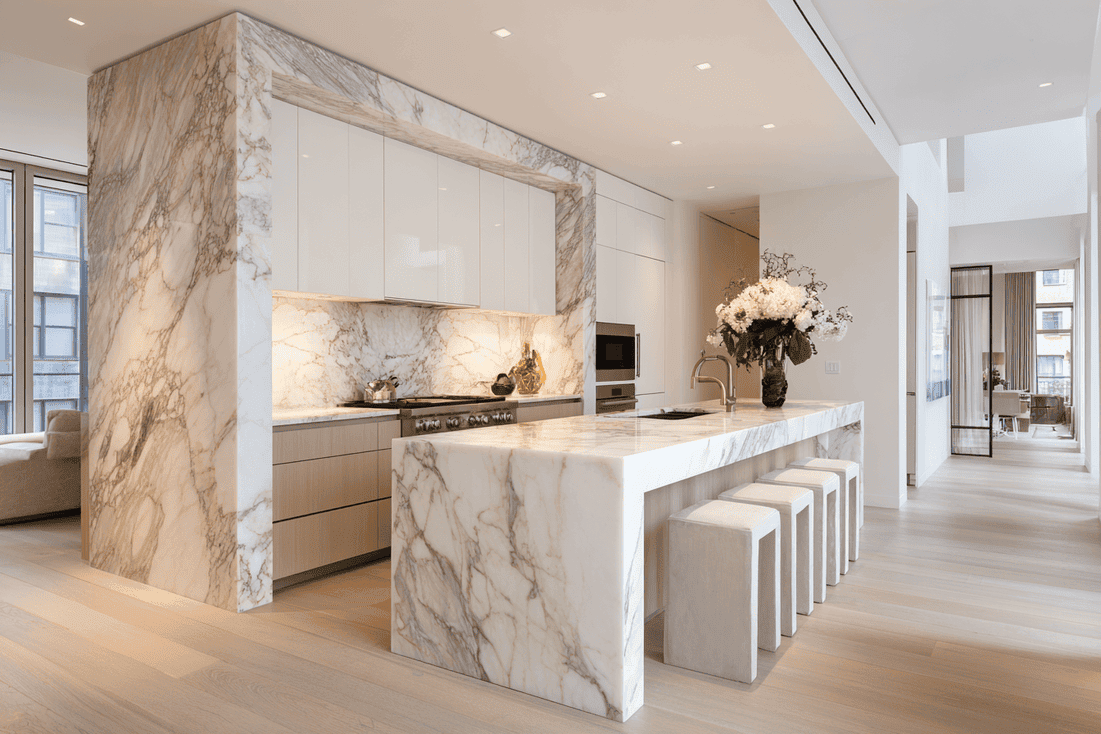
A high-end residential interior design firm in New York City is responsible for planning, coordinating, and executing full-scope residential design projects by integrating architectural design, procurement, construction oversight, and installation within the regulatory, logistical, and building-specific constraints of complex urban properties.
A high-end interior designer in NYC is responsible for:
- developing comprehensive design concepts aligned with architectural layouts and client requirements
- coordinating architectural drawings, engineering plans, and consultant deliverables
- managing contractor scope, sequencing, and on-site execution
- overseeing procurement, purchasing, and vendor communication across multiple suppliers
- coordinating freight, receiving, inspection, and white-glove delivery logistics
- preparing documentation for co-op board approvals and condominium submissions
- aligning project timelines with construction phases, lead times, and building access rules
- supervising installation to ensure design intent is executed precisely
In New York City, residential design operates within a highly regulated environment. Most projects require approval from co-op boards or condominium associations before any work begins, often involving detailed submission packages, drawings, and material specifications. These approvals directly affect timelines, sequencing, and even what can be built.
Projects are also subject to oversight from the NYC Department of Buildings (DOB), which governs construction permits, safety requirements, and compliance standards. Designers must coordinate filings, inspections, and approvals to ensure the project progresses without delays or violations.
In addition, NYC buildings impose strict logistical constraints. Limited elevator access, restricted delivery hours, union labor requirements, and tight urban conditions require precise coordination. A high-end firm is defined, in part, by its ability to navigate these constraints without disrupting the project or the client’s experience.
Full-Scope Design Integration, Not Just Decoration
High-end firms are defined by their involvement from the earliest stages of a project. This includes working alongside architects and engineers to shape layouts, infrastructure, and spatial flow before construction begins.
This level of integration ensures that design decisions are not layered on top of a finished structure but built into it. In NYC homes, where space is limited and structural constraints are common, early coordination avoids costly revisions later.
A high-end firm treats design as a system, not a surface. Every decision connects to function, construction feasibility, and long-term use.

Coordination Across Architects, Contractors, and Consultants
A defining characteristic of a high-end firm is its role as the central point of coordination. The designer aligns architects, general contractors, millworkers, lighting consultants, and specialty trades into a single, cohesive process.
Without this coordination, projects often become fragmented. Misaligned drawings, unclear scope, and sequencing conflicts can lead to delays and budget overruns.
In NYC, where multiple parties must operate within strict timelines and building rules, coordination is not optional. It is the structure that keeps the project moving forward.
Procurement Systems That Manage Complexity at Scale
High-end projects involve sourcing from dozens of vendors across furniture, lighting, materials, and custom fabrication. Each item has its own lead time, specification, and delivery requirement.
A high-end firm manages procurement through structured systems:
- detailed specifications and purchase orders
- vendor communication and tracking
- freight coordination and consolidation
- receiving, inspection, and storage
This is particularly important in NYC, where items cannot be delivered directly to site without coordination. Missed deliveries or damaged goods can delay installation significantly.
A high-end firm ensures that every item arrives in the right condition, at the right time, and in the correct sequence.

Installation as a Controlled, Final Phase
Installation is where the value of a high-end firm becomes most visible. It is not a simple delivery process but a carefully orchestrated phase where all elements are installed, styled, and finalized.
This includes:
- coordinating white-glove delivery teams
- managing on-site installation sequencing
- overseeing final placement and adjustments
- resolving any last-minute issues
In NYC, installation must often be completed within narrow time windows due to building restrictions. A high-end firm plans this phase in detail to avoid disruptions and ensure a seamless result.
Deep Understanding of NYC Building Constraints
Not all design challenges are aesthetic. In NYC, many are logistical and regulatory.
High-end firms are defined by their ability to navigate:
- co-op board approval processes
- condominium renovation guidelines
- elevator reservations and service access
- restricted working hours
- union labor requirements
These factors directly influence what can be built, how it is built, and how long it takes.
A firm that understands these constraints can plan proactively, avoiding delays that less experienced teams often encounter.

Budget Structuring That Reflects Real Project Costs
High-end firms approach budgeting as a structured process, not a rough estimate. Budgets are developed with a clear understanding of construction costs, procurement expenses, and contingency planning.
This includes:
- allocating funds across design, construction, and furnishings
- accounting for lead times and price fluctuations
- building in contingencies for unforeseen conditions
In NYC, where costs can escalate quickly, this level of planning protects the client’s investment and reduces financial surprises.
Client Experience Designed to Remove Friction
A high-end firm is not defined only by design quality, but by how the process feels to the client.
Clients are typically busy professionals who do not have time to manage vendors, track orders, or resolve issues. A high-end firm removes that burden by handling:
- communication across all project parties
- decision-making frameworks and presentations
- problem-solving throughout construction and installation
The result is a process that feels controlled, predictable, and well-managed, even in a complex environment like NYC.

Design That Balances Aesthetics, Function, and Longevity
High-end design is not about trends. It is about creating spaces that function well and maintain their value over time.
This involves:
- selecting materials based on durability and maintenance
- designing layouts that support daily use
- integrating custom elements that fit the space precisely
In NYC homes, where space is often constrained, thoughtful design decisions have a direct impact on how the home performs day to day.

Frequently Asked Questions
What does “high-end” interior design actually mean in NYC?
It refers to a full-service approach that includes design, construction coordination, procurement, and installation. It also reflects experience managing complex projects within NYC’s regulatory and logistical constraints.
Is a high-end interior designer necessary for a NYC renovation?
For large-scale renovations, it is often essential. The designer coordinates multiple parties, manages approvals, and ensures the project stays aligned with the intended design.
How is a high-end firm different from a decorator?
A decorator focuses on furnishings and styling. A high-end firm is involved in architectural planning, construction oversight, and full project execution.
Do all NYC projects require board approval?
Most co-op and many condominium buildings require approval before work begins. This process can include detailed submissions and review periods.
How do designers handle deliveries in NYC buildings?
Deliveries are scheduled around building rules, often requiring elevator reservations and specific time windows. Many items are received and inspected off-site before delivery.
What role does the NYC Department of Buildings play?
The NYC Department of Buildings oversees permits, inspections, and compliance for construction work. Projects must meet these requirements to proceed legally.
How long do high-end NYC projects typically take?
Timelines vary based on scope, approvals, and construction complexity. Delays often come from approvals, logistics, and coordination rather than design itself.
Are high-end firms more expensive?
They typically involve higher upfront costs, but they reduce risk, prevent costly mistakes, and protect the overall investment in the property.
Can a high-end firm work with an existing contractor?
Yes, but the firm will still coordinate scope, sequencing, and execution to ensure the design is implemented correctly.