

How High-End Interior Design Impacts Property Value in NYC
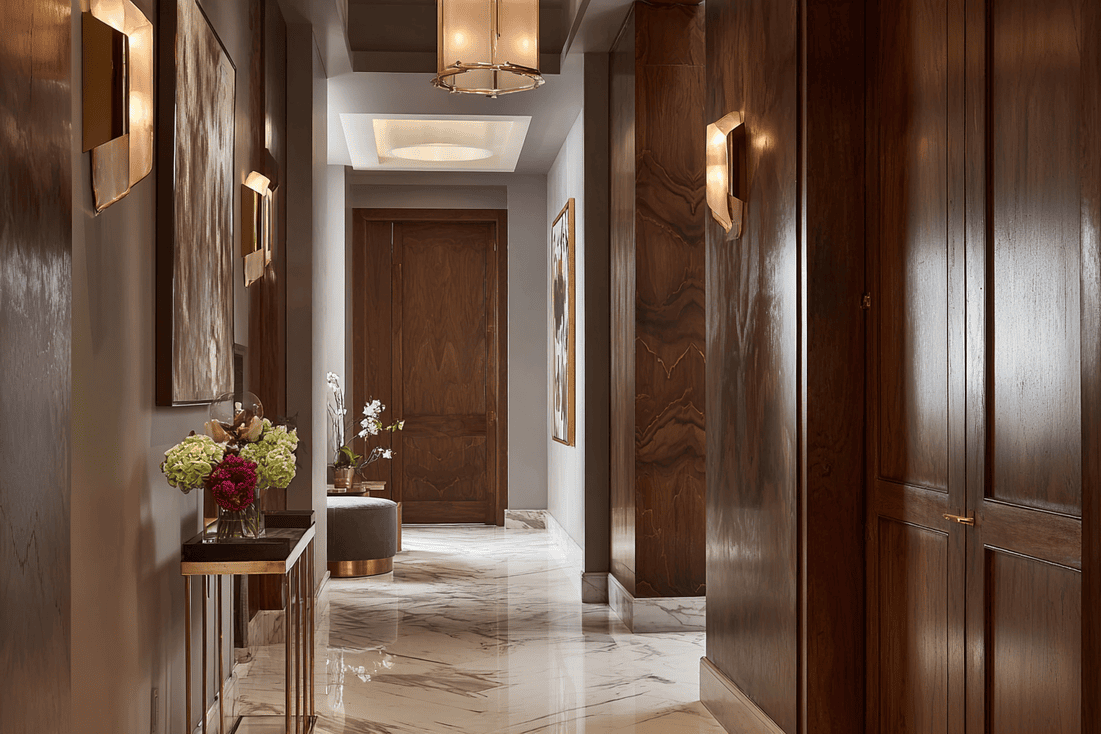
A high-end interior designer in New York City is responsible for planning, designing, and executing residential interiors to enhance both livability and measurable property value, within the regulatory, architectural, and market constraints of complex urban real estate.
- A high-end interior designer in NYC is responsible for:
- developing design plans that align with architectural layouts and long-term property positioning
- coordinating with architects, contractors, and consultants throughout all project phases
- selecting materials, finishes, and furnishings that influence perceived and appraised value
- managing procurement, logistics, and vendor relationships across multiple suppliers
- overseeing construction sequencing, timelines, and on-site execution
- navigating co-op board approvals, condominium requirements, and building-specific rules
- ensuring compliance with NYC Department of Buildings (DOB) regulations and filing requirements
In New York City, interior design decisions are not made in isolation. Every renovation or furnishing project operates within a tightly regulated system that includes co-op boards, condominium associations, and building management. These entities review and approve design plans, construction scope, and even delivery schedules before work begins.
These constraints directly affect property value. A well-designed space that meets building requirements, avoids delays, and aligns with market expectations is more likely to maintain or increase its value over time. Conversely, poorly coordinated design decisions can lead to costly revisions, approval issues, and reduced buyer confidence.
The NYC Department of Buildings (DOB) enforces regulations around construction, safety, and permitting, all of which impact renovation timelines and outcomes. Projects that comply fully with these standards are more likely to proceed efficiently and retain long-term value.
Why Interior Design Matters Beyond Aesthetics
When you think about interior design, it’s easy to focus on how a space looks. But in NYC, design plays a direct role in how a property is valued, marketed, and ultimately sold.
Buyers in this market are highly discerning. They’re not just evaluating finishes—they’re assessing how a home functions, how it flows, and how much work they’ll need to do after purchase.
A well-designed home signals:
- thoughtful planning
- high-quality execution
- minimal future investment required
That combination often translates into stronger resale value and faster transactions.

Layout and Space Planning as Value Drivers
Functional layouts increase usability
In many NYC apartments, space is limited and layouts are not always intuitive. A high-end interior designer rethinks how each square foot is used, often improving flow without changing the building footprint.
Examples include:
- opening sightlines between kitchen and living areas
- reconfiguring storage to reduce visual clutter
- improving circulation paths
These changes make a home feel larger and more usable, which directly impacts perceived value.
Buyers pay for clarity, not potential
Most buyers in NYC are not looking for a project. They want a home that already works.
A strong layout removes uncertainty. It shows that the space has been fully considered and optimized, which reduces friction during the buying process.
Material Selection and Perceived Quality
Materials influence first impressions
The materials used throughout a home, stone, wood, metal, and textiles, create an immediate impression of quality.
High-end design focuses on:
- consistency across spaces
- durability over time
- alignment with the building’s level of finish
Even small inconsistencies can signal a lack of cohesion, which can negatively affect value.
Longevity matters in NYC properties
In a city where renovations are complex and costly, buyers value materials that will last.
Designers prioritize:
- natural stone over composites where appropriate
- solid wood or high-quality veneers
- fixtures and hardware from reputable manufacturers
These choices reduce the likelihood of near-term replacements, which buyers factor into their offers.

Lighting Design and Its Impact on Value
Lighting affects how a space is experienced
Lighting is one of the most overlooked drivers of property value.
A well-lit home:
- feels larger
- highlights architectural features
- creates a sense of comfort and clarity
Poor lighting, on the other hand, can make even high-end finishes feel flat.
Layered lighting adds flexibility
High-end design incorporates multiple lighting layers:
- ambient (general illumination)
- task (focused lighting for specific uses)
- accent (highlighting features or artwork)
This approach allows the space to adapt to different needs, which adds functional value.
Customization vs. Broad Market Appeal
Over-customization can limit resale value
While personalization is important, overly specific design choices can narrow the pool of potential buyers.
Examples include:
- highly unconventional layouts
- niche material choices
- overly bold color schemes
A high-end designer balances personalization with broader appeal.
Timeless design supports long-term value
Timeless interiors tend to:
- age more gracefully
- require fewer updates
- appeal to a wider audience
This balance is especially important in NYC, where properties often change hands within a 5–10 year window.

Renovation Quality and Execution
Execution is as important as design
Even the best design concept can lose value if it’s poorly executed.
High-end designers manage:
- contractor coordination
- installation sequencing
- on-site quality control
This ensures that the final result aligns with the original vision.
Poor execution creates visible and hidden issues
Buyers and inspectors often look for:
- uneven finishes
- misaligned cabinetry
- inconsistent detailing
These issues can reduce buyer confidence and lead to lower offers.
Navigating NYC Regulations and Approvals
Co-op and condo approvals impact timelines
Most NYC renovations require approval from a co-op board or condo association. This process can involve:
- detailed plan submissions
- contractor vetting
- strict work hour limitations
Designers who understand these processes help avoid delays.
DOB compliance protects long-term value
Projects that require permits must comply with NYC DOB regulations. This includes:
- structural changes
- plumbing and electrical updates
- safety requirements
Non-compliant work can lead to violations or complications during resale.

Procurement, Logistics, and Installation
Logistics are complex in NYC
Deliveries in NYC are not straightforward. Buildings often have:
- restricted delivery windows
- service elevator requirements
- insurance and scheduling protocols
Designers coordinate these details to ensure smooth installation.
White-glove installation protects investment
High-end projects typically include:
- receiving and inspection
- storage coordination
- professional installation
This reduces the risk of damage and ensures that each piece is installed correctly.
Market Positioning and Buyer Perception
Design influences how a property is marketed
A well-designed home photographs better, shows better, and creates a stronger emotional response.
This impacts:
- listing price
- time on market
- final sale price
Buyers equate design with value
In competitive NYC markets, buyers often assume:
- better design = better construction
- cohesive interiors = well-maintained property
These assumptions can work in your favor when the design is executed properly.

Frequently Asked Questions
Does interior design really increase property value in NYC?
Yes, interior design can increase property value by improving layout, material quality, and overall buyer perception. Well-designed homes often sell faster and at higher prices compared to similar properties.
What design elements have the biggest impact on resale value?
Layout, kitchen and bathroom finishes, lighting, and overall cohesion tend to have the most impact. These elements directly affect how buyers experience the space.
Can poor design reduce a property’s value?
Yes, poor design decisions, such as inefficient layouts or low-quality materials—can reduce buyer interest and lead to lower offers.
How important is renovation quality in NYC apartments?
Renovation quality is critical. Buyers and inspectors often evaluate execution closely, and visible issues can impact perceived value.
Do co-op boards affect design decisions?
Yes, co-op boards can limit what changes are allowed and require approval for renovations. This affects both design scope and timeline.
Is it better to design for personal taste or resale?
A balanced approach is best. Personalization should not compromise broader market appeal if resale is a consideration.
How does lighting impact property value?
Lighting affects how a space feels and functions. Well-designed lighting can make a home feel larger and more inviting, which supports higher value.
Are high-end materials always necessary?
Not always, but material quality should align with the property’s price point and building standards to maintain value.