

How Long a High-End Interior Design Project Takes in NYC
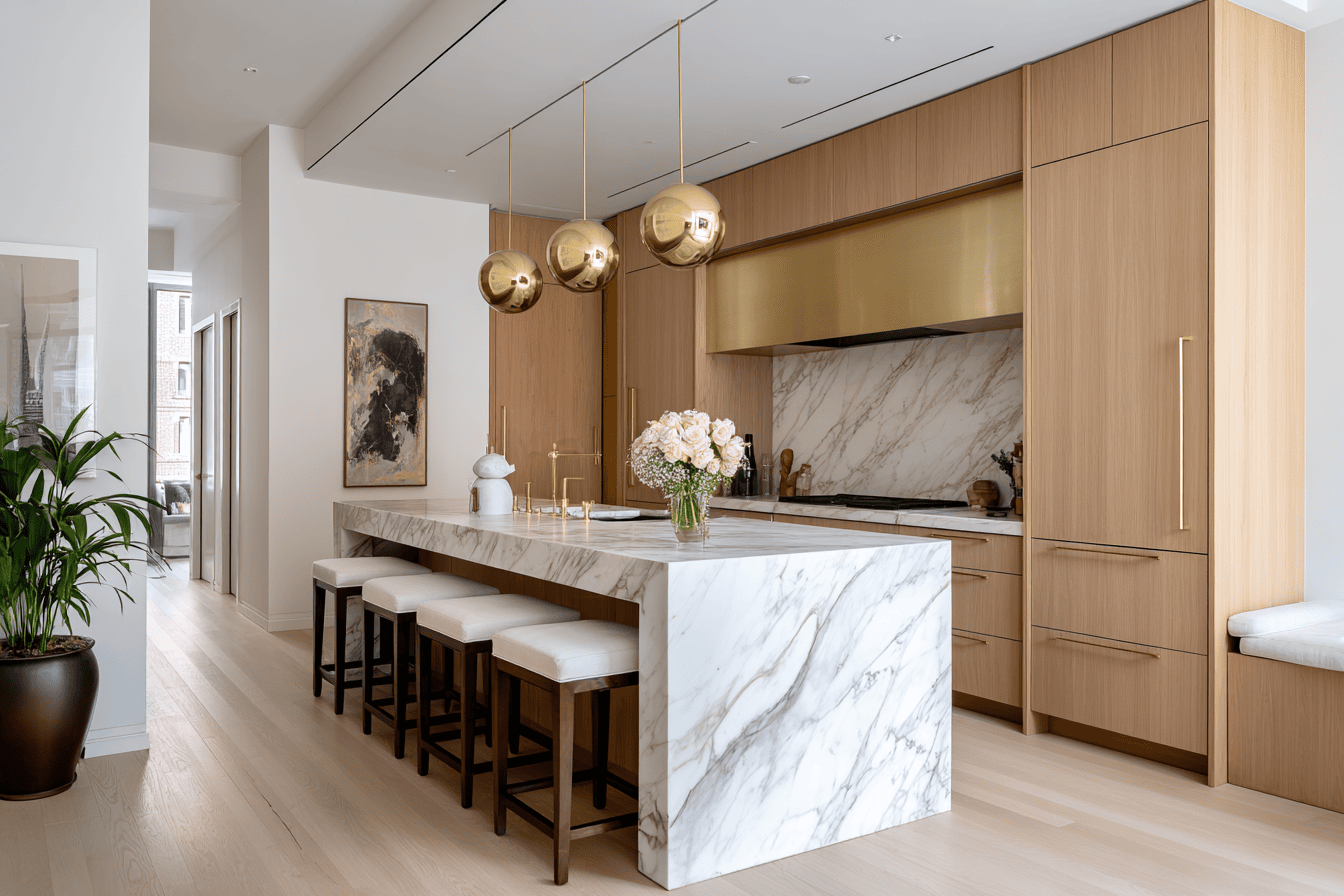
A high-end interior designer in New York City is responsible for planning, coordinating, and overseeing residential interior design projects from initial concept through final installation, within the regulatory, logistical, and building-specific constraints unique to NYC housing.
A high-end interior designer in NYC is responsible for:
- Translating client goals into a defined design scope and timeline
- Developing space plans and specifications that comply with building and life-safety rules
- Coordinating approvals with co-op boards, condominium associations, and managing agents
- Sequencing design, procurement, fabrication, and installation activities
- Overseeing vendor coordination, deliveries, and on-site installation logistics
- Managing project pacing to align with construction schedules and access limitations
New York City projects move differently than residential projects elsewhere. Co-op and condominium approvals alone can add weeks or months before work begins, and building rules often restrict when trades, deliveries, and installations are allowed. Even a well-organized project must work within these constraints.
In addition, many NYC homes require coordination with the New York City Department of Buildings for renovation permits, inspections, or sign-offs, depending on the scope of work. These processes affect not just construction timelines, but also when design decisions must be finalized to avoid delays later in the project.
The Short Answer: Typical NYC Interior Design Timelines
Most high-end interior design projects in NYC take 6 to 18 months, depending on scope, building requirements, and procurement complexity.
A realistic timeline often breaks down as:
- Furnishings-only projects: 6–9 months
- Partial renovations with furnishings: 9–14 months
- Full renovations with custom work: 12–18+ months
These ranges assume proactive decision-making, timely approvals, and no major construction surprises. In NYC, time is shaped as much by process as by design.

Why NYC Interior Design Timelines Are Longer Than Expected
Many homeowners underestimate how much non-design work happens behind the scenes. In NYC, the design itself is only one part of the timeline.
Several factors consistently extend schedules:
- Mandatory board approvals before work begins
- Limited delivery and freight elevator access
- Custom fabrication lead times
- Coordination with multiple independent trades
- Seasonal construction slowdowns in busy buildings
None of these are optional. They are standard parts of working in dense, regulated residential buildings.
Phase 1: Discovery, Planning, and Scope Definition
Typical duration: 4–8 weeks
This phase establishes the foundation for the entire project. It includes understanding how you live, how the home functions, and what level of work is required.
Key activities include:
- Site measurements and existing condition reviews
- Lifestyle, budget, and timeline discussions
- Preliminary space planning and feasibility checks
- Identifying required approvals or permits
In NYC, this phase often includes early conversations with building management to confirm renovation rules, insurance requirements, and submission deadlines. Skipping this step often leads to avoidable delays later.

Phase 2: Concept Design and Layout Development
Typical duration: 6–10 weeks
This is where the overall design direction takes shape. Floor plans, furniture layouts, and core design ideas are developed and refined.
During this phase, designers:
- Test layouts against real dimensions and circulation
- Confirm furniture scale appropriate for elevators and access
- Align aesthetic direction with architectural constraints
- Begin identifying long-lead custom pieces
Because many NYC buildings restrict changes to plumbing, electrical, or structural elements, concepts must be realistic from the start. This keeps the project moving forward without redesign.
Phase 3: Design Development and Specifications
Typical duration: 8–12 weeks
Once the concept is approved, details matter. This phase turns ideas into precise instructions that vendors and trades can execute.
Work in this phase includes:
- Final furniture and finish selections
- Custom millwork drawings and revisions
- Lighting plans and fixture specifications
- Coordination with architects or engineers if required
Many NYC buildings require full design packages before allowing renovation submissions. These documents must be accurate, complete, and coordinated to avoid rejection or resubmission delays.

Phase 4: Board Approvals and Permitting
Typical duration: 4–12+ weeks
This phase is unique to NYC and often underestimated. Co-op and condo boards typically review renovation packages on fixed schedules.
Common requirements include:
- Detailed drawings and specifications
- Contractor insurance and licensing
- Alteration agreements
- Security deposits and fees
Some buildings only review submissions monthly, which can extend timelines even when documents are complete. For renovations requiring DOB permits, filing and review timelines vary based on scope.
Phase 5: Procurement and Fabrication
Typical duration: 12–24 weeks (often overlaps other phases)
High-end interiors rely heavily on custom and made-to-order items. These pieces cannot be rushed without compromising quality.
Typical lead times include:
- Custom upholstery: 10–16 weeks
- Case goods and cabinetry: 12–20 weeks
- Lighting and specialty finishes: 8–16 weeks
Designers sequence orders strategically so items arrive when the building allows delivery and storage. Poor timing can cause costly delays or re-deliveries.

Phase 6: Construction and Installation Coordination
Typical duration: 8–20 weeks
If construction is involved, design timelines must align with the contractor’s schedule. Designers coordinate finishes, dimensions, and site conditions throughout the build.
This phase includes:
- Site visits to verify readiness
- Adjustments based on field conditions
- Coordination of deliveries with freight access
- Installation sequencing across multiple vendors
NYC buildings often limit work hours and elevator reservations, which affects daily progress. Experienced coordination keeps momentum steady despite these limits.
Phase 7: Final Styling and Project Closeout
Typical duration: 2–4 weeks
The final phase brings the home together visually and functionally. Furniture placement, art installation, and finishing touches occur once major work is complete.
Final steps typically include:
- Styling and accessory placement
- Punch list resolution
- Final walkthroughs
- Documentation and closeout
This phase ensures the home feels complete, not rushed.

What Can Speed Up or Slow Down a NYC Design Project
Several variables consistently affect timelines.
Factors that speed things up:
- Clear decision-making
- Early approvals and complete submissions
- Flexible scheduling for deliveries
- Working with experienced NYC vendors
Factors that slow things down:
- Delayed client decisions
- Board rejections or revisions
- Backordered materials
- Building access restrictions
Understanding these variables allows for realistic planning from the start.
Frequently Asked Questions
How long does a furnishings-only interior design project take in NYC?
Most furnishings-only projects take 6 to 9 months due to custom furniture lead times and building delivery restrictions.
Why do co-op approvals add so much time?
Co-op boards review renovation packages on fixed schedules and often require revisions, insurance documentation, and fees before granting approval.
Can design work start before board approval?
Yes, design and procurement planning can begin, but construction and installation typically cannot proceed without written approval.
Do all renovations require NYC Department of Buildings permits?
Not all, but many do, especially if work involves plumbing, electrical, or structural changes. Permit requirements depend on scope.
What causes the biggest delays in NYC projects?
The most common delays come from approval timelines, custom fabrication lead times, and limited building access for deliveries.
Is it possible to rush a high-end project?
Rushing often increases risk and cost. High-quality custom work follows fixed fabrication and approval timelines.
Should I order furniture before construction is finished?
Yes, in most cases. Early ordering ensures items are ready when installation is allowed.
Do timelines differ between condos and co-ops?
Yes. Co-ops typically have stricter approval processes and longer review timelines than condominiums.