

The Scope of a High-End Interior Design Engagement in NYC: From Initial Consultation to Move-In Day
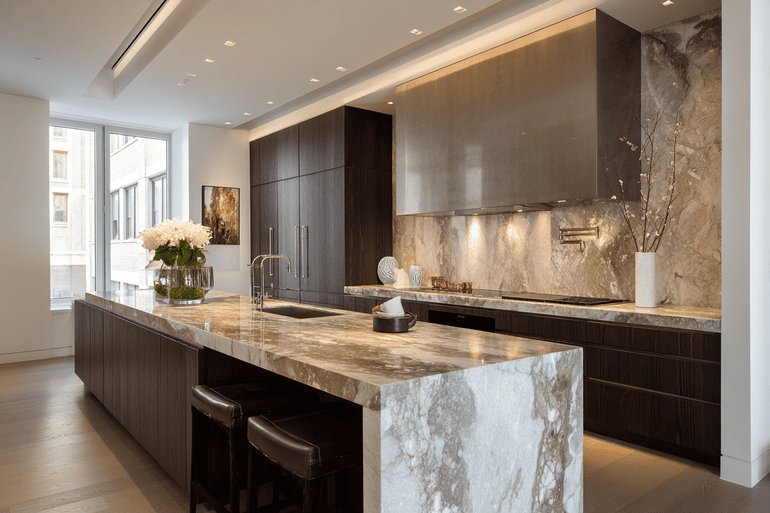
A high-end interior design engagement is a fully managed project in which a designer or firm handles every phase of transforming a space, from the first conversation about your vision to the final walkthrough before you settle in.
Most people underestimate what that actually involves. Here is what the process looks like, why each phase matters, and what it means to work with a full-service interior designer in NYC from start to finish.
What "Full-Service" Actually Means
Full-service interior design means the designer manages everything, not just the aesthetics. That includes space planning, material sourcing, contractor coordination, permit oversight, furniture procurement, installation, and styling. You are not managing vendors. You are not chasing timelines. The complexity is handled on your behalf.
In New York City, most high-end renovations are led by full-service interior design firms because of the level of coordination involved. A gut renovation in a prewar co-op on the Upper West Side, for example, requires working with the building's managing agent, navigating board approval, coordinating licensed trades, and adhering to strict rules around work hours, freight elevator access, and noise. That is not a process most homeowners want to manage themselves, and they should not have to.
-1777990214390.webp)
Phase 1: The Initial Consultation
The initial consultation is where the designer learns who you are, how you live, and what this project actually needs to accomplish.
This is not a sales meeting. A good designer is listening closely. They want to understand how you use your home, what has frustrated you about it, and what success looks like to you. They are also evaluating whether the project is something they can take on well.
What typically happens in this first meeting:
- You walk through the space together (or review floor plans if the home is not yet purchased)
- You discuss your lifestyle, aesthetic preferences, and functional priorities
- The designer asks about your timeline and budget range
- You talk about scope, including whether this is a cosmetic refresh or a full renovation
In NYC, this conversation often surfaces complexity early. Building restrictions, co-op board requirements, or the realities of working in a landmark building can shape the entire approach before a single decision is made.
Phase 2: Scope Definition and Proposal
After the consultation, the designer defines exactly what the engagement will include and presents a formal proposal.
This document is important. It sets the foundation for everything that follows. A well-written proposal will outline:
- The full scope of services (design, procurement, project management, installation)
- The fee structure (flat fee, hourly, percentage of construction, or a hybrid)
- Project phasing if the work is being done in stages
- An estimated timeline from kickoff to completion
Here is where this matters: a vague proposal leads to scope creep and misaligned expectations. With a high-end interior designer in NYC, the proposal should be precise. You should know what you are getting, what you are paying, and how decisions will be made.
-1777990246292.webp)
Phase 3: Discovery and Design Development
Design development is the most intensive creative phase, and it is where your home begins to take shape on paper before anything is touched.
The designer conducts a thorough discovery process. This includes detailed measurements, documentation of existing conditions, and often collaboration with an architect if structural changes are involved. In larger NYC projects, engineers, expediters, and code consultants may also be brought in at this stage.
From there, the design concept is developed. This typically involves:
- Space planning and furniture layout
- Architectural details (millwork, ceiling treatments, built-ins)
- Finish selections (flooring, tile, paint, plaster, stone)
- Fixture and hardware specifications
- Lighting design, including both decorative and architectural lighting
- Furniture, fabric, and material selections
What most people do not realize is that this phase can take several months on a large project. Selections are not made arbitrarily. Every material is considered in context, samples are reviewed in the actual light conditions of your home, and revisions are made until the design is cohesive.
You are presented with full design presentations, not mood boards. You review, give feedback, and approve. The designer handles all revisions and respecification behind the scenes.
Phase 4: Contractor Bidding and Pre-Construction
Once the design is approved, the project moves into pre-construction, which is the phase most homeowners never see and should not have to manage.
For a full renovation, this involves sending construction documents and specifications out to a vetted list of general contractors. The designer manages the bidding process, reviews proposals, and helps you evaluate contractors based on experience, references, price, and fit.
In NYC projects, this stage often includes:
- Preparing and submitting alteration agreement documentation to the building
- Filing permits with the NYC Department of Buildings if required
- Coordinating with the building's superintendent and property manager
- Finalizing a construction schedule that accounts for building rules
This is also when long-lead items are ordered. Furniture and fixtures with extended production times need to be purchased before demolition begins if you want them ready on move-in day. A custom sofa with a 20-week lead time will not wait for construction to finish.
-1777990308621.webp)
Phase 5: Construction and Active Project Management
Construction is where the design is built, and it requires constant oversight to stay on schedule, on budget, and true to the design intent.
With a full-service interior design firm, you do not attend weekly site meetings unless you want to. Your designer does. They are on-site regularly, reviewing work in progress, answering contractor questions, catching issues before they become problems, and making real-time decisions within the scope of what has been approved.
Common things managed during this phase:
- Reviewing tile layouts and material installations before they are set
- Approving paint colors under actual lighting conditions
- Coordinating delivery windows with building management
- Managing subcontractor scheduling (electricians, plumbers, millworkers, painters)
- Handling RFIs from the general contractor
- Tracking the budget and flagging any changes
This is where things usually go wrong on projects that do not have proper oversight. Tile gets installed in the wrong direction. A wall sconce is mounted two inches too high. A custom cabinet comes back with the wrong finish. With a skilled designer managing the site, these issues are caught and corrected before they become permanent.
Phase 6: Furniture, Art, and Accessory Installation
Installation day, or installation week on larger projects, is when the home comes together as a finished environment.
By this point, all furniture has been received and inspected at a receiving warehouse. Art has been procured and framed. Accessories, objects, and plants have been selected. Lighting has been adjusted and programmed. The designer coordinates a precise sequence of delivery and placement so everything arrives in the right order and is positioned correctly the first time.
This phase includes:
- White-glove furniture delivery and placement
- Custom window treatment installation
- Art hanging and picture lighting
- Styling of shelves, tabletops, and surfaces
- Final lighting adjustments
- A thorough punch-list walkthrough
In high-end residential work, this approach, handling every detail through to the final styling, tends to produce the strongest results. The difference between a well-furnished room and a finished home is in the details, and that work takes real time and judgment.
-1777990373456.webp)
Phase 7: The Final Walkthrough and Move-In
The final walkthrough is a structured review of the completed project before you move in.
Your designer walks through every room with you, reviewing all finishes, furniture placements, and systems. A punch list is created for any outstanding items, which the designer then manages to completion. You do not follow up with contractors. That is handled for you.
After the walkthrough, most full-service interior design firms in NYC remain available for a post-installation period to address anything that comes up in the first weeks of living in the space.
Move-in day, when it is done right, is simply the day you walk into a home that is ready. Everything is in place. The lights are set. The furniture is arranged. The art is hung. You do not unpack into a construction zone. You arrive into a finished environment.
How Long Does This Take?
Project timelines vary based on scope. Here is a realistic range for NYC residential projects:
| Project Type | Typical Timeline |
|---|---|
| Cosmetic refresh (no construction) | 3 to 6 months |
| Partial renovation (kitchen or bath) | 6 to 10 months |
| Full apartment renovation | 12 to 18 months |
| Full gut renovation or townhouse | 18 to 30+ months |
These timelines include design development, procurement, construction, and installation. They do not include time spent searching for a designer or completing a building approval process, which can add months on its own.
-1777990458714.webp)
Frequently Asked Questions
What happens at the very first meeting with an interior designer?
The first meeting is a discovery conversation. The designer learns about your lifestyle, your goals for the space, your timeline, and your budget. They will also assess the physical space and begin to understand the scope of work involved.
How is a full-service interior designer different from a decorator?
A decorator typically focuses on furnishings, color, and styling. A full-service interior designer manages the entire project, including architectural planning, contractor coordination, permitting, procurement, and installation. In NYC, most high-end residential projects require full-service involvement.
Do I need to be available throughout the project?
You will be involved at key decision points, approving design concepts, reviewing selections, and giving feedback. You are not expected to manage the day-to-day. That is what the design team is there for.
When should furniture be ordered?
Custom furniture and long-lead items are typically ordered during the pre-construction phase, before demolition begins. This ensures that pieces arrive close to the end of construction and are ready for installation day.
What does "design development" include?
Design development covers space planning, finish and material selections, fixture and hardware specifications, millwork design, lighting plans, and furniture selections. It is the phase where all design decisions are made and documented before construction begins.
How are contractors selected?
For most full-service interior design engagements in NYC, the designer maintains a vetted list of trusted contractors. They manage the bidding process, review proposals, check references, and make a recommendation. You make the final decision.
What does installation day actually look like?
Installation is a coordinated sequence of deliveries and placements, usually managed by the design team over one or several days. Furniture arrives from a receiving warehouse, art is hung, window treatments are installed, and the space is styled. By the end, the home is ready to live in.
What happens if something goes wrong during construction?
Issues come up on every project. With a full-service designer managing the site, problems are identified early and resolved before they become permanent. The designer handles contractor communication, budget impact assessment, and any redesign required.
What is a punch list?
A punch list is a documented list of outstanding items identified during the final walkthrough, such as a paint touch-up, a cabinet adjustment, or a fixture that needs to be realigned. The designer manages all punch-list items to completion.
Is it worth hiring a high-end interior designer in NYC for a smaller project?
For most renovation projects in NYC, a full-service interior designer is the most practical choice, even for projects that feel modest in scope. The coordination required in New York buildings, combined with the pace and complexity of sourcing and construction, benefits significantly from professional management.
A Final Note
A high-end interior design engagement is not just about making a space look beautiful. It is about making the process manageable, protecting your investment, and arriving at a finished home without the experience of building it falling on your shoulders.
In New York City, where buildings have rules, timelines are compressed, and the stakes are high, that kind of professional management is not a luxury. For most homeowners undertaking a serious renovation, it is simply the right way to do it.