

How to Evaluate a High-End Interior Designer in NYC Before Hiring
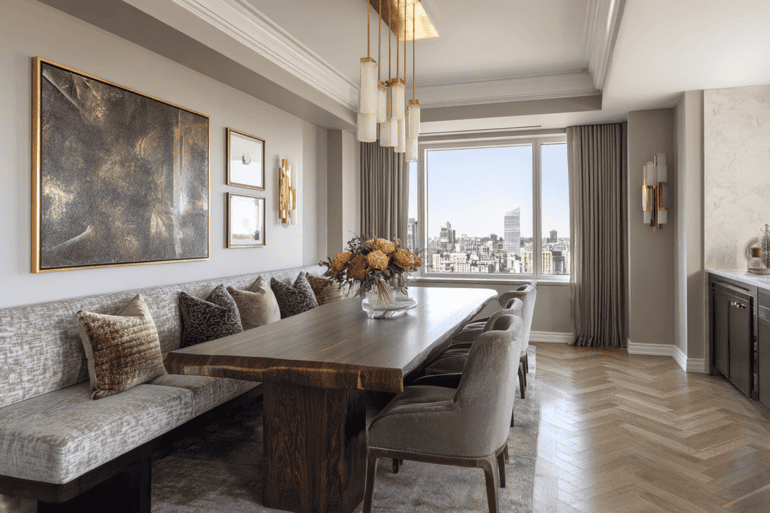
A high-end interior designer in New York City is responsible for planning, coordinating, and overseeing the design, renovation, and furnishing of luxury residences while navigating the regulatory, logistical, and operational constraints unique to NYC residential buildings.
A high-end interior designer in NYC is responsible for:
- Developing comprehensive design plans including layouts, materials, lighting, millwork, and furniture specifications
- Coordinating architectural drawings, engineering plans, and construction documentation required for residential renovations
- Managing approvals from co-op boards, condominium boards, and building management prior to construction
- Preparing documentation and filings required by the New York City Department of Buildings (DOB) for regulated renovation work
- Sequencing construction, procurement, and installation within strict building access and delivery constraints
- Overseeing contractors, fabricators, and trades to ensure design intent and construction quality
- Managing the procurement, delivery, storage, and installation of custom furnishings and materials
- Ensuring renovation work complies with building alteration agreements, insurance requirements, and city regulations
Luxury residential projects in New York City operate within constraints that rarely exist in other cities. Most apartment buildings require formal renovation approvals, insurance documentation, and detailed alteration agreements before construction can begin. These approvals are typically reviewed by co-op boards, condominium boards, and building management teams.
In addition, many interior renovation projects require filings with the New York City Department of Buildings (DOB) when electrical, plumbing, or structural work is involved. Designers coordinating these projects must understand filing requirements, permit timelines, and inspection processes in order to keep projects compliant and on schedule.
Residential buildings also impose operational constraints that directly affect renovation planning. Elevator reservations, freight access hours, noise restrictions, contractor insurance requirements, and delivery rules can significantly influence scheduling and logistics. Designers experienced in NYC residential work plan around these constraints to avoid delays, additional costs, or building violations.
1. Confirm the Designer Has Experience With NYC Residential Buildings
Not all interior designers have experience working within the regulatory and operational environment of New York City apartment buildings. Renovating a co-op or condominium requires familiarity with approval procedures, contractor insurance requirements, and strict building policies that can affect everything from demolition schedules to furniture deliveries.
Before hiring a designer, ask about their experience with:
- Co-op and condominium alteration agreements
- Building management coordination
- Renovation approval submissions
- Working with building architects and engineers
Designers who regularly work in NYC residential buildings understand how to prepare complete board submission packages and anticipate issues before they delay construction.
Why this matters in NYC homes
Many residential buildings will not allow renovation work to begin until all approvals are finalized and insurance certificates are verified. Designers who understand these procedures help prevent avoidable project delays and administrative complications.

2. Review the Designer’s Portfolio for Comparable Projects
A portfolio should show projects that resemble the type of home you are renovating.
For example:
- Prewar apartment renovations
- Manhattan penthouses
- Townhouses
- Large condominium residences
These projects often require complex coordination between architects, contractors, and building management.
When evaluating a portfolio, look beyond aesthetics and consider whether the designer has experience with the scale and complexity of your project.
What to look for in a portfolio
Focus on projects that demonstrate:
- Full apartment renovations
- Custom millwork or cabinetry
- Integrated lighting design
- High-quality material selections
- Furnishing plans that feel cohesive and intentional
This helps confirm the designer can manage both construction design and the final furnishing of the home.
3. Understand How the Designer Approaches Project Planning
High-end residential design projects require structured planning before construction begins.
A thoughtful design process typically includes:
- Space planning and layout development
- Material and finish selections
- Lighting design and electrical coordination
- Custom millwork and cabinetry drawings
- Furniture plans and specifications
Each phase builds the foundation for the next.
Without a clear planning process, projects often encounter costly revisions during construction.
Why planning is especially important in NYC
Because construction work in apartment buildings must follow approved drawings and schedules, design decisions usually need to be finalized before work begins.
Late changes can create complications with building approvals, contractor scheduling, and permit filings.

4. Evaluate the Designer’s Ability to Coordinate Renovation Work
A high-end interior designer often serves as the central coordinator of a residential project.
This includes communication with:
- Architects
- Contractors
- Millwork fabricators
- Lighting suppliers
- Furniture manufacturers
Effective coordination ensures that design decisions are accurately executed during construction.
Coordination reduces costly mistakes
When designers review shop drawings, confirm dimensions, and align contractor work with design intent, it helps prevent issues such as:
- Incorrect millwork fabrication
- Lighting placement errors
- Misaligned electrical layouts
These problems are far more expensive to fix once construction is underway.
5. Assess the Designer’s Procurement and Installation Process
Luxury residential interiors often involve custom furniture, bespoke millwork, and made-to-order materials.
These items frequently require long lead times and detailed coordination.
A professional procurement process typically includes:
- Vendor sourcing and specification
- Order tracking
- Delivery coordination
- Storage logistics
- Final installation scheduling
Designers who manage this process carefully help ensure furnishings arrive safely and are installed correctly.
Why procurement matters in NYC
Many residential buildings restrict delivery hours and require advance scheduling for freight elevators. Coordinating furniture deliveries within these rules requires careful planning and communication.

6. Understand How the Designer Manages Construction Oversight
Even when a contractor performs the construction work, designers often monitor the project to ensure the design is executed properly.
Construction oversight may include:
- Reviewing contractor work against design drawings
- Answering design questions during construction
- Verifying installation details for lighting, millwork, and materials
This oversight helps protect the design integrity of the project.
Designers help translate drawings into real spaces
Construction drawings communicate design intent, but interpretation can vary between trades. Designers help clarify details and resolve questions so the final result reflects the intended design.
7. Evaluate Communication and Project Management Style
Interior design projects often span many months, especially when renovations and custom furnishings are involved.
Clear communication helps homeowners stay informed throughout the process.
When speaking with a designer, consider asking:
- How often will project updates be shared?
- Who will be the primary point of contact?
- How are design decisions documented?
These questions help establish expectations before the project begins.
Good communication reduces uncertainty
Regular updates help homeowners understand project progress and upcoming decisions without needing to track every detail themselves.

8. Ask How the Designer Navigates Building Rules and Constraints
NYC residential buildings often impose detailed renovation rules that influence project timelines.
These rules may include:
- Limited construction hours
- Noise restrictions
- Insurance requirements for contractors
- Advance approval for deliveries
Designers who regularly work in NYC homes plan around these constraints during the design and construction schedule.
Building rules can affect renovation timelines
If a building only allows construction during certain hours or days, projects must be scheduled carefully to maintain progress.
Experienced designers anticipate these constraints during the planning phase.
9. Understand the Scope of Services the Designer Provides
Interior designers offer different service structures depending on their business model.
Some designers focus primarily on furnishing projects, while others provide full-service renovation and furnishing coordination.
Before hiring a designer, clarify whether they provide:
- Renovation design and planning
- Contractor coordination
- Furniture procurement
- Installation management
Understanding the scope helps ensure expectations align from the beginning.
Frequently Asked Questions
How do I know if an interior designer understands NYC renovation rules? Ask about their experience working with co-op boards, condominium approvals, and renovation alteration agreements. Designers who regularly complete projects in NYC residential buildings will be familiar with these processes and documentation requirements.
Do interior designers in NYC handle Department of Buildings permits? Interior designers typically coordinate the design and documentation required for renovation work, while architects or contractors may file permits with the NYC Department of Buildings when required. Designers often work closely with these professionals to ensure drawings meet filing requirements.
What should I look for in a high-end interior designer’s portfolio? Look for projects similar to your home type and renovation scope. Strong portfolios usually show cohesive spaces, thoughtful material selections, custom millwork, and well-executed lighting plans.
Do I need a designer for a renovation in a NYC apartment? Many homeowners hire designers to help plan layouts, select materials, and coordinate construction work. Designers can also help prepare drawings and documentation needed for building approvals.
How long does it take to renovate a NYC apartment? Renovation timelines vary depending on project scope and building restrictions. Construction often takes several months, and additional time may be required for board approvals and permit filings.
What is included in a full-service interior design project? Full-service design typically includes layout planning, finish selections, lighting design, millwork drawings, furniture sourcing, procurement coordination, and installation oversight.
Do interior designers work with contractors? Yes. Designers commonly collaborate with contractors and trades throughout the project to ensure construction work aligns with the design plan.
Why are building approvals required before renovations? Co-op and condominium buildings use alteration agreements to ensure renovation work complies with building policies, protects shared infrastructure, and minimizes disruption to other residents.
How do furniture deliveries work in NYC apartment buildings? Most buildings require advance scheduling for freight elevators and delivery windows. Designers often coordinate deliveries to comply with building rules and prevent scheduling conflicts.