

Designing a Luxury Condo in NYC: What Full-Service Designers Manage
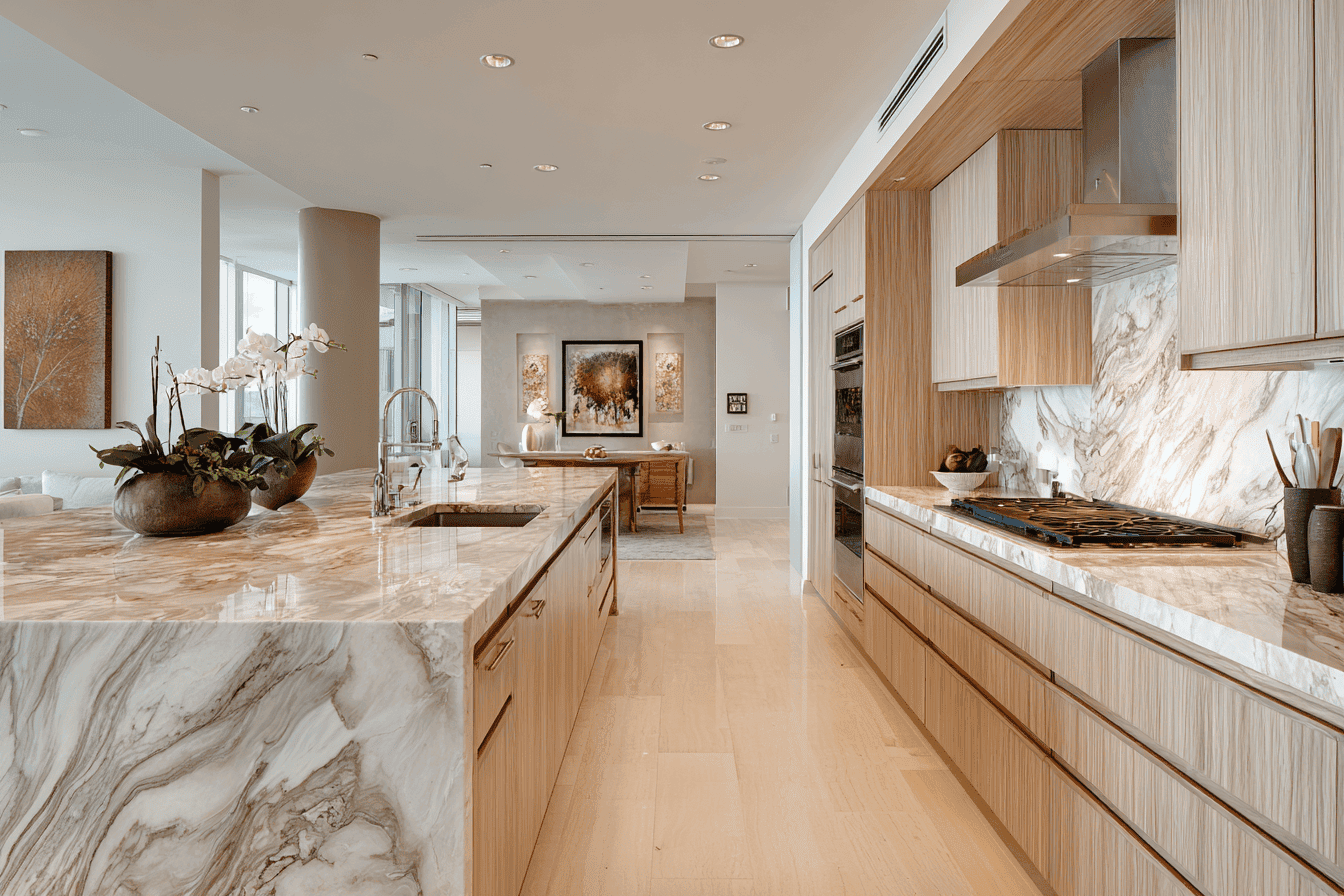
A full-service interior designer in New York City is responsible for planning, coordinating, and overseeing the design, construction, and furnishing of a residential condominium from concept through installation, within the regulatory, logistical, and governance constraints unique to NYC buildings.
A high-end interior designer in NYC is responsible for:
- Comprehensive space planning aligned with existing building conditions and life-safety requirements
- Coordinating approvals with condominium boards and property management
- Managing renovation documentation, review cycles, and sequencing
- Overseeing construction coordination with licensed professionals
- Planning procurement, delivery, and installation under strict building access rules
- Managing furnishings, finishes, and custom fabrication timelines
- Ensuring compliance with NYC Department of Buildings regulations
Designing a luxury condo in New York City is not just about aesthetics. Every design decision exists inside a framework of building rules, city regulations, and operational limits that directly affect cost, timeline, and outcome. This is especially true in high-rise and luxury condominium buildings, where access, noise, insurance, and construction oversight are tightly controlled.
Unlike single-family homes, NYC condos require formal approvals, detailed documentation, and careful coordination with multiple third parties. Designers must work in parallel with building management, engineers, contractors, and city agencies to ensure work can legally and practically move forward. These constraints shape how spaces are planned, how materials are selected, and how projects are sequenced.
Source: NYC Department of Buildings
Understanding NYC Condominium Renovation Constraints
Renovating a condo in New York City comes with limitations that do not exist in most other markets. Buildings impose rules around working hours, noise levels, elevator usage, debris removal, and insurance coverage. These rules affect how quickly work can progress and how trades are scheduled.
A full-service designer plans the project around these constraints from the beginning. This prevents delays caused by rejected submissions, scheduling conflicts, or violations that can shut down work mid-project. In luxury buildings, even minor missteps can result in fines or loss of access.
NYC condo renovations are also governed by city codes. Electrical, plumbing, and structural work often require filings with the NYC Department of Buildings, along with inspections at specific stages. Designers coordinate these requirements with licensed professionals to keep the project moving.
Source: NYC DOB Renovation Guidelines

Space Planning for High-Rise Living
Luxury condo layouts are shaped by existing structure, mechanical systems, and vertical infrastructure. Columns, risers, slab penetrations, and limited ceiling heights all influence what can and cannot be changed.
A full-service designer evaluates these constraints early. This ensures walls are placed correctly, circulation works naturally, and furniture fits comfortably without blocking code-required clearances. Good space planning is what makes a condo feel intentional rather than forced.
Designers also consider how spaces will be used daily. Storage, lighting zones, and furniture placement are planned to support real routines, not just visual symmetry. In NYC, where square footage is valuable, efficiency and flow matter as much as beauty.
Coordinating Condominium Board Approvals
Most NYC condos require formal board approval before any renovation begins. This process typically includes submitting architectural drawings, scopes of work, insurance certificates, and contractor credentials.
A full-service designer prepares and coordinates these submissions alongside architects and contractors. They ensure drawings meet building standards and address potential concerns before review. This reduces back-and-forth and avoids approval delays.
Board approval timelines vary widely. Some buildings review monthly, others quarterly. Designers plan schedules around these realities so clients are not surprised by waiting periods that are common in NYC condo projects.

Managing Construction Documentation and Sequencing
Luxury condo renovations require detailed documentation. Drawings must clearly show demolition, new construction, electrical layouts, plumbing changes, and finish specifications.
A full-service designer helps manage this documentation process. They coordinate between architects, engineers, and contractors to ensure drawings reflect the intended design and comply with both building rules and city codes.
Sequencing is equally important. In NYC condos, trades often cannot overlap freely due to space and access limits. Designers help plan the order of work so progress continues without idle time or rework.
Navigating NYC Department of Buildings Requirements
Not all condo renovations require DOB filings, but many do. Electrical upgrades, plumbing changes, and structural work typically require permits and inspections.
Designers work with licensed professionals who understand these requirements. They ensure filings are accurate, inspections are scheduled properly, and corrections are addressed promptly if needed.
Understanding DOB processes helps avoid stop-work orders, which can halt progress and add significant cost. Knowledge of when filings are required, and when they are not, is a critical part of managing NYC condo projects responsibly.
Source: NYC DOB Permits & Inspections

Material Selection Within Building Constraints
Luxury condos often restrict certain materials due to sound transmission, weight limits, or fire ratings. Flooring assemblies, wall treatments, and even appliances may be regulated by building policies.
A full-service designer selects materials that meet both aesthetic goals and building requirements. This prevents last-minute substitutions or rejections after orders are placed.
Designers also consider durability. In high-rise living, materials must perform well over time and withstand delivery, installation, and daily use without damage.
Custom Millwork and Fabrication Planning
Custom cabinetry, built-ins, and architectural details are common in luxury condo design. These elements must be carefully measured, documented, and fabricated to fit precisely within existing conditions.
Designers coordinate shop drawings, approvals, and fabrication timelines. They also plan delivery and installation around building access rules, including freight elevator reservations and time limits.
Because fabrication often runs parallel to construction, coordination is key. A full-service designer ensures custom pieces arrive when the site is ready, avoiding storage issues or damage.

Furniture, Lighting, and Finish Procurement
Procurement in NYC condos is complex. Many buildings require advance notice for deliveries, restrict truck sizes, and limit delivery hours.
Designers manage purchasing schedules to align with project timelines and building policies. They track lead times, coordinate white-glove delivery, and ensure items arrive in the correct sequence.
Lighting and finishes are also carefully coordinated. Electrical rough-ins must align with fixture selections, and finish installations must occur after certain construction phases are complete.
Delivery, Installation, and Building Coordination
Installation days in NYC condos require precision. Elevators must be reserved, protection installed, and crews scheduled tightly within allowed hours.
A full-service designer oversees this process to ensure installations happen smoothly. They coordinate installers, manage punch lists, and address issues as they arise.
This level of oversight protects both the design intent and the client’s investment. It also maintains good standing with building management, which is essential for current and future work.

Frequently Asked Questions
Do I need board approval to renovate a condo in NYC?
Yes, most NYC condominiums require formal board approval before renovation work begins. Requirements vary by building, but typically include drawings, insurance, and contractor information.
How long does a luxury condo renovation usually take in NYC?
Timelines vary based on scope, approvals, and building rules. Full-service projects often take several months from planning through installation.
Can I change the layout of my condo freely?
Layout changes are limited by structure, risers, and building rules. Some walls may be non-negotiable due to mechanical or structural constraints.
Do all renovations require permits from the NYC Department of Buildings?
No, but many do. Electrical, plumbing, and structural changes often require permits and inspections.
Why are delivery and installation more complicated in NYC condos?
Buildings restrict access, elevator use, and delivery hours. These rules require careful coordination to avoid delays or fines.
Is full-service design necessary for a condo renovation?
Full-service design helps manage complexity, approvals, and coordination. This is especially valuable in NYC’s regulated condo environment.
How are noise and work hours regulated?
Buildings set specific work hours and noise limits, often stricter than city rules. Designers plan schedules to comply with these restrictions.
Can designers handle coordination with contractors and the building?
Yes, full-service designers typically manage communication with contractors, building management, and consultants throughout the project.