

How to Choose a High-End Residential Interior Designer in NYC
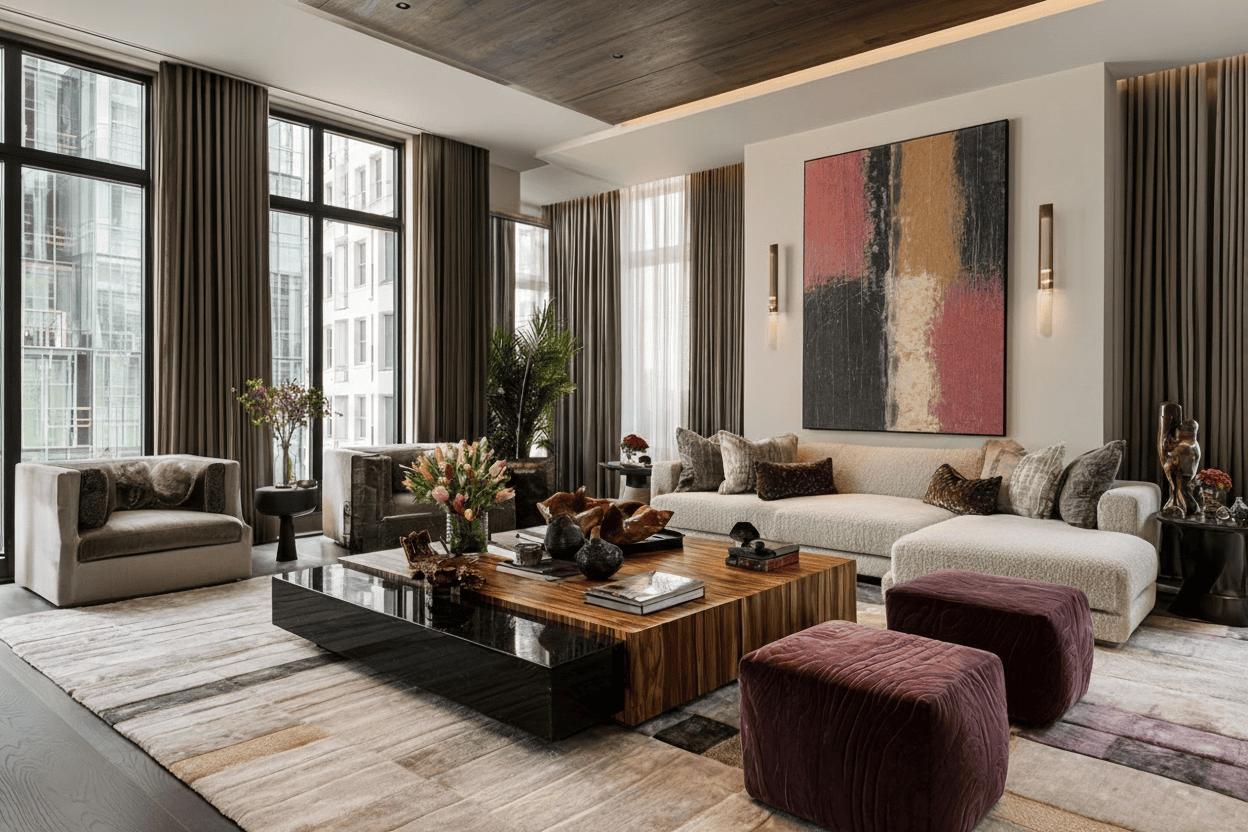
A high-end residential interior designer in New York City is responsible for planning, coordinating, and overseeing luxury home design projects from concept through installation, within the regulatory, logistical, and building-specific constraints unique to NYC residences.
A high-end interior designer in NYC is responsible for:
- Translating homeowner goals into a cohesive design direction aligned with the property’s architecture and use
- Developing detailed space plans that comply with building codes and life-safety requirements
- Coordinating approvals with co-op boards, condominium associations, and property management
- Managing design documentation, schedules, and consultant collaboration
- Specifying materials, finishes, furnishings, and custom elements appropriate for long-term residential use
- Overseeing procurement, delivery, and installation sequencing within NYC access limitations
Designing a home in New York City involves layers of oversight that do not exist in most other markets. Many residential buildings require formal board approvals before any work can begin, including detailed design drawings, insurance documentation, and construction schedules. These requirements directly affect timelines, budgets, and the scope of what can be built.
In addition, most renovation work in NYC is subject to oversight by the NYC Department of Buildings (DOB), which governs permits, filings, and inspections. Access rules, freight elevator reservations, delivery windows, and noise restrictions further shape how and when work can be executed. A designer’s ability to navigate these systems is essential to keeping a project compliant and on track.
What “High-End” Actually Means in the NYC Residential Market
In New York City, “high-end” does not simply refer to aesthetics or cost. It describes a level of process, coordination, and accountability required to execute work in complex residential buildings. A high-end designer understands how design decisions affect approvals, construction sequencing, and long-term livability.
High-end residential design prioritizes durability, proportion, and thoughtful planning. Materials are selected not just for appearance, but for how they perform over time in real homes. Layouts are developed with daily use, storage needs, and building constraints in mind.
Most importantly, a high-end designer in NYC assumes responsibility for managing complexity. This reduces the burden on the homeowner, who would otherwise need to coordinate between boards, contractors, vendors, and consultants.

Why NYC Building Rules Should Shape Your Designer Choice
Every NYC residential building operates under its own rules. Co-ops, condominiums, and townhouses each have different approval processes, renovation agreements, and limitations. A designer unfamiliar with these systems can unintentionally cause delays or rework.
Many co-op boards require submission packages that include dimensioned drawings, finish schedules, and contractor information. Some buildings limit plumbing changes, restrict structural work, or impose strict work-hour rules. These conditions affect design feasibility from the start.
Choosing a designer who regularly works within these constraints helps ensure that your design vision is realistic, approvable, and executable without unnecessary friction.
The Importance of Space Planning in NYC Homes
Space planning is one of the most critical skills for a residential interior designer in New York City. Apartments often have fixed plumbing risers, structural columns, and load-bearing walls that limit flexibility. A skilled designer knows how to work within these conditions while still improving flow and function.
Good space planning addresses circulation, furniture placement, storage, and sightlines. It ensures that rooms feel balanced and usable, even when square footage is limited. This is especially important in prewar apartments and older buildings.
Strong planning reduces costly changes later in the project. When layouts are resolved early and accurately, construction and installation tend to proceed more smoothly.

How a Designer Coordinates with Co-Op and Condo Boards
Board coordination is a core responsibility of a high-end interior designer in NYC. This process often begins before design work is finalized, as building rules can influence what is allowed. Designers must interpret alteration agreements and incorporate those requirements into the design.
During the approval phase, designers typically prepare drawing sets, respond to board questions, and coordinate revisions. They also work with contractors to ensure insurance certificates and submissions meet building standards.
A designer experienced in board processes helps prevent rejections, resubmissions, and extended review timelines, all of which can delay the start of construction.
Understanding DOB Filings and Why They Matter
Many residential projects in NYC require filings with the NYC Department of Buildings. These may include permits for plumbing, electrical, or structural work, depending on the scope. While architects and engineers typically file with the DOB, designers must coordinate closely with them.
Design decisions directly affect what filings are required. Moving plumbing fixtures, altering walls, or changing mechanical systems can trigger additional approvals. A designer who understands these implications can guide clients toward informed choices.
Failing to account for DOB requirements can result in stop-work orders or failed inspections. This is why operational knowledge matters as much as design skill.

Procurement and Installation in a Logistically Complex City
Procuring furnishings and materials in NYC involves more than placing orders. Delivery schedules must align with building rules, elevator access, and approved work hours. Storage and staging often require advance planning.
A high-end designer manages procurement timelines, tracks lead times, and coordinates deliveries so items arrive in the correct sequence. This minimizes damage, storage costs, and installation delays.
Installation days are tightly choreographed in NYC buildings. Designers often oversee these days to ensure work is completed efficiently and in compliance with building requirements.
How Experience Affects Budget Control and Risk Management
Budget management in high-end residential projects is closely tied to experience. Designers familiar with NYC pricing, labor costs, and construction realities can provide more accurate guidance from the outset.
Experienced designers help clients understand where costs typically increase, such as custom millwork or complex installations. They also identify where adjustments can be made without compromising overall quality.
Risk management is equally important. Clear documentation, realistic scopes, and informed sequencing reduce the likelihood of disputes, delays, or unexpected expenses.

Evaluating a Designer’s Portfolio Beyond Visual Style
While visual style matters, it should not be the only factor when choosing a designer. A portfolio should demonstrate consistency, attention to detail, and an understanding of different building types. Look for projects similar in scale and complexity to your own.
Pay attention to how spaces are planned, not just how they look. Well-resolved layouts, balanced proportions, and thoughtful material use often signal strong underlying process.
Ask about the context of each project. Understanding the building type, scope, and challenges provides insight into how the designer operates.
Questions to Ask Before Hiring a High-End NYC Designer
Before hiring a designer, it is important to understand how they work. Ask about their experience with your building type and how they handle approvals. Clarify what services are included and how communication is managed.
Understanding the designer’s role during construction and installation helps set expectations. Some designers provide hands-on oversight, while others focus primarily on design documentation.
Clear alignment at the start of the relationship supports a smoother project and a better outcome.

Frequently Asked Questions
How early should I hire an interior designer for a NYC renovation?
Ideally, you should hire a designer before finalizing layouts or contractor agreements. Early involvement allows the designer to guide planning decisions and account for building rules from the start.
Do I need a designer who has worked in my specific building type?
Yes. Co-ops, condos, and townhouses each have different approval processes and constraints. Experience with your building type reduces risk and delays.
Will an interior designer handle co-op or condo board submissions?
Many high-end designers coordinate design-related portions of board submissions. They typically work alongside your contractor and architect to ensure materials are complete.
Is a high-end designer involved during construction?
In most cases, yes. Designers often review shop drawings, answer contractor questions, and ensure design intent is maintained during execution.
How does a designer help control costs in NYC projects?
Designers help by planning efficiently, specifying appropriate materials, and anticipating NYC-specific labor and logistics costs.
Do NYC designers work with the Department of Buildings directly?
Designers usually coordinate with architects and engineers who file with the DOB. However, design decisions often influence what filings are required.
What makes NYC projects take longer than other locations?
Board approvals, DOB permits, limited access hours, and delivery restrictions all extend timelines compared to other markets.
Is full-service design necessary for high-end NYC homes?
Full-service design is often beneficial because it centralizes coordination and reduces the burden on the homeowner in a complex environment.