

What the Best High-End Residential Interior Designers in NYC Do Differently
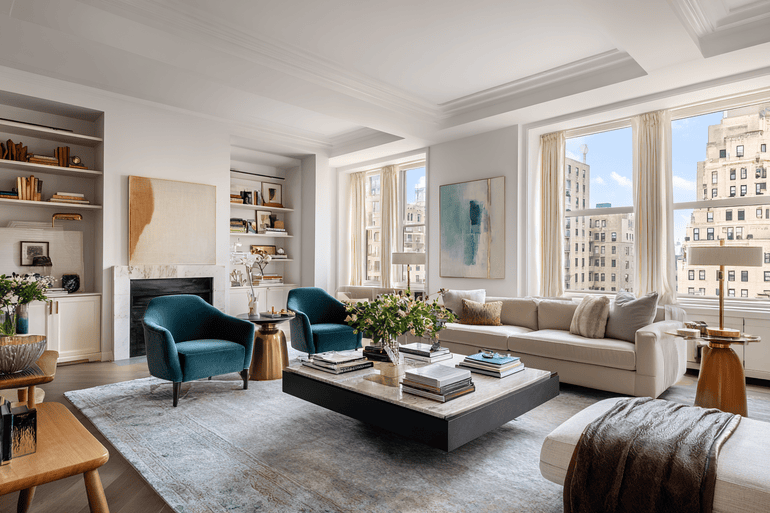
A high-end residential interior designer in New York City is responsible for planning, designing, and executing residential interiors that integrate architectural intent, operational coordination, and long-term property value within the regulatory, logistical, and building-specific constraints of complex urban real estate.
- A high-end interior designer in NYC is responsible for:
- developing comprehensive design plans aligned with architectural layouts and property positioning
- coordinating architects, contractors, and consultants across all project phases
- managing procurement, vendor relationships, and purchasing across multiple suppliers
- overseeing project timelines, sequencing, and on-site execution
- navigating co-op and condominium approval processes and building requirements
- selecting materials, finishes, and furnishings that impact both usability and resale value
- managing logistics including delivery scheduling, storage, and white-glove installation
In New York City, interior design operates within a framework that goes far beyond aesthetics. Most residential projects, especially in co-ops and condominiums require formal approvals before any work begins. This includes submitting detailed drawing sets, scope descriptions, and material specifications for review by building boards and property managers.
These approvals often intersect with regulations governed by the NYC Department of Buildings (DOB), particularly when structural, plumbing, or electrical changes are involved. Designers must ensure that all plans align with filing requirements, permit timelines, and inspection protocols.
In addition, logistical constraints such as limited elevator access, strict work hours, insurance requirements, and delivery restrictions directly shape how projects are planned and executed. The best designers anticipate these constraints early, integrating them into the design and construction process rather than reacting to them later.
They Think Beyond Decoration, They Plan the Entire Environment
The strongest designers in NYC are not focused on decorating a space after the fact. They approach the home as a complete system where layout, architecture, and interior detailing work together from the beginning.
This means evaluating:
- how rooms connect
- how circulation flows
- how furniture placement supports daily use
In a city where square footage is limited and layouts can be irregular, this level of planning is critical. A well-designed apartment in Manhattan often feels larger, calmer, and more functional, not because of size, but because every inch has been considered.

They Integrate With Architecture From the Start
High-end designers are typically brought into projects before construction begins, not after. This allows them to shape key architectural decisions such as:
- wall placements
- ceiling conditions
- lighting infrastructure
- millwork integration
In NYC, this coordination is especially important because changes made later in the process can trigger delays, additional approvals, or costly revisions.
When design and architecture are aligned early, the result feels seamless. When they are not, the space often feels fragmented, even if the finishes are expensive.
They Manage Complexity Across Multiple Stakeholders
A typical NYC residential project involves more than just a designer and a contractor. It often includes:
- architects
- expediters
- engineers
- building management
- co-op or condo boards
The best designers act as the central point of coordination across all of these parties.
They ensure that:
- drawings are aligned across disciplines
- timelines are realistic and coordinated
- communication is clear and documented
This reduces friction during construction and helps prevent delays that are common in NYC projects.

They Navigate NYC Building Rules With Precision
Every building in New York operates differently. Some co-ops have strict alteration agreements, while others have highly specific requirements for materials, noise levels, and work hours.
Experienced designers understand how to:
- prepare submission packages that meet board expectations
- anticipate questions before they are asked
- align design decisions with building policies
For example, certain buildings restrict wet-over-dry layouts, meaning plumbing fixtures cannot be relocated freely. Others require acoustic underlayments or limit certain construction methods.
Understanding these rules upfront prevents redesigns and keeps projects moving.
They Control Procurement and Vendor Relationships
Procurement in NYC is rarely straightforward. High-end designers manage sourcing across:
- custom fabricators
- international vendors
- domestic manufacturers
- trade-only showrooms
They track:
- lead times
- production schedules
- shipping logistics
This matters because delays in just one item can impact installation timelines for an entire project.
Rather than ordering items individually, experienced designers sequence procurement strategically so that everything arrives in the correct order and condition.

They Design for Long-Term Value, Not Short-Term Impact
The best designers are thinking about how a home will perform over time, not just how it looks at installation.
This includes decisions around:
- material durability
- timelessness of finishes
- layout flexibility
In NYC’s real estate market, well-designed homes often command stronger resale value because they feel cohesive, functional, and aligned with buyer expectations.
Design choices that feel overly trend-driven or disconnected from the architecture can date quickly and reduce perceived value.
They Anticipate Installation and Logistics Early
Installation in New York City is one of the most complex phases of a project.
Designers must account for:
- freight elevator scheduling
- certificate of insurance (COI) requirements
- limited delivery windows
- staging and storage coordination
White-glove installation is not just about placing furniture, it involves:
- inspecting items upon arrival
- coordinating multiple teams in tight timeframes
- resolving issues in real time
Designers who plan for installation early avoid last-minute complications that can disrupt the final outcome.

They Reduce Decision Fatigue for the Client
High-end design is not just about creating a beautiful home, it is about creating a manageable process for the client.
In NYC projects, clients are often making decisions across:
- layouts
- finishes
- furnishings
- technical specifications
Without structure, this becomes overwhelming quickly.
Experienced designers:
- narrow options thoughtfully
- present clear recommendations
- guide decisions based on the overall vision
This allows clients to stay engaged without feeling burdened by constant choices.
They Deliver a Cohesive, Resolved Final Result
What ultimately separates top-tier designers is not any one decision—it is how everything comes together.
A well-executed NYC home feels:
- consistent across rooms
- intentional in every detail
- aligned with the architecture
There are no abrupt transitions or unresolved areas.
This level of cohesion requires:
- long-term planning
- disciplined decision-making
- careful oversight through every phase
It is rarely achieved through piecemeal design or isolated decisions.

Frequently Asked Questions
When should I hire a high-end interior designer in NYC?
You should hire a designer before construction begins, ideally during the planning phase. This allows them to influence layouts, infrastructure, and overall design direction. Early involvement reduces costly changes later.
Do NYC interior designers handle building approvals?
Yes, experienced designers prepare and coordinate submission packages for co-op boards and condo management. They ensure drawings and specifications meet building requirements. This helps streamline the approval process.
Why is interior design more complex in NYC than other cities?
NYC projects involve strict building rules, limited access, and coordination with multiple stakeholders. Logistics such as deliveries and work hours are tightly controlled. These factors require detailed planning and oversight.
How do designers manage deliveries in NYC buildings?
Designers coordinate deliveries around building schedules, reserve freight elevators, and ensure all vendors meet insurance requirements. Items are often delivered to receiving warehouses before final installation. This reduces risk of damage or delays.
What is included in full-service interior design?
Full-service design includes planning, design development, procurement, project management, and installation. It covers both aesthetic and operational aspects of the project. The goal is to manage the entire process from start to finish.
Do interior designers increase property value in NYC?
Well-executed design can improve both perceived and market value. Buyers respond to layouts, finishes, and overall cohesion. Poor design decisions can have the opposite effect.
How long does a high-end NYC interior design project take?
Timelines vary based on scope, approvals, and procurement. Full renovations can take 12–24 months. Furnishing projects may take several months depending on lead times.
Can I hire a designer for just furnishings in NYC?
Yes, many designers offer furnishing-only services. However, the impact is often greater when design is integrated with architectural decisions. Furnishings alone cannot resolve layout or infrastructure issues.