

What a $500K+ Interior Design Budget Covers in New York City
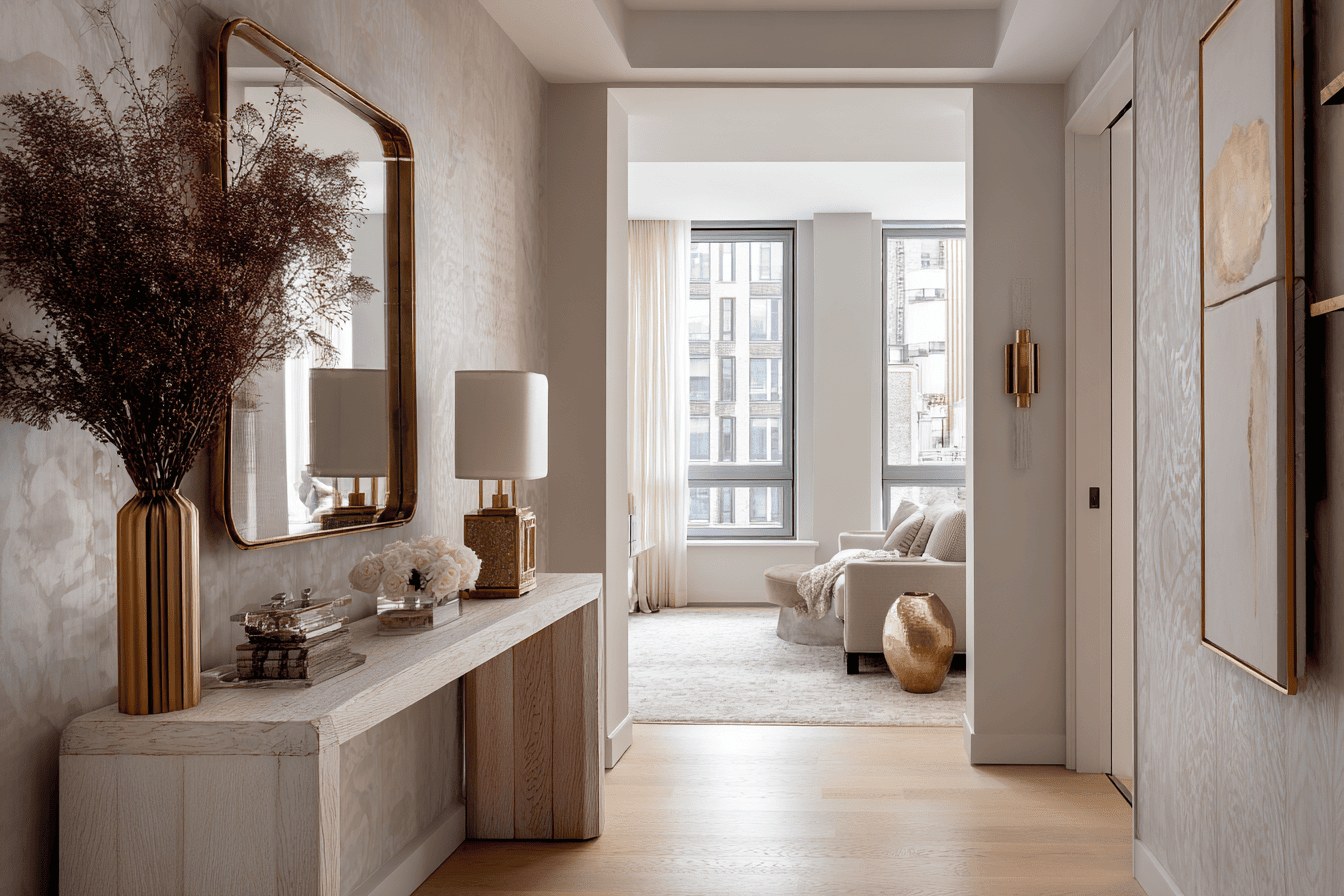
A high-end interior designer in New York City is responsible for planning, coordinating, and overseeing residential interiors from concept through installation, within the regulatory, architectural, and logistical constraints unique to NYC housing.
A high-end interior designer in NYC is responsible for:
- Comprehensive spatial planning aligned with existing building conditions and life-safety requirements
- Coordinating approvals with co-op boards, condominium associations, and property management
- Managing renovation documentation, review cycles, and sequencing with licensed professionals
- Overseeing procurement, logistics, and white-glove installation under strict delivery and access rules
- Acting as the central point of accountability across trades, vendors, and stakeholders
In New York City, residential projects operate inside a framework that is very different from most other markets. Co-op and condominium boards control what can be built, when work can occur, and how materials are delivered. Elevator reservations, insurance certificates, and limited work hours all affect cost, scheduling, and scope.
In addition, many projects require filings, permits, or inspections overseen by the New York City Department of Buildings (DOB), especially when walls, plumbing, electrical systems, or structural elements are involved. These requirements directly influence how a $500K+ interior design budget is allocated and why experienced coordination matters.
Source: New York City Department of Buildings (DOB)
Understanding the $500K+ Budget Context in NYC
A $500,000 interior design budget in New York City is not a signal of excess; it reflects the reality of building, furnishing, and installing a complete home in a dense, regulated environment. Costs are shaped by labor rates, building rules, logistics, and the level of finish expected in high-end residences.
This budget range typically applies to:
- Large apartments, townhouses, or penthouses
- Full-home renovations or comprehensive furnishing projects
- Homes where the client expects turnkey delivery
The goal at this level is not just a beautiful result, but a fully coordinated process that minimizes disruption and risk.

Space Planning and Architectural Coordination
At this budget level, space planning goes far beyond furniture placement. Designers study circulation, sightlines, proportions, and how rooms connect, often working alongside architects and engineers.
In NYC homes, existing conditions matter. Pre-war buildings have structural walls, limited ceiling heights, and aging infrastructure. Newer buildings have strict mechanical zones and slab constraints. A significant portion of the budget supports professional time spent designing solutions that work within these realities.
Well-executed planning prevents costly changes later and ensures the finished home functions as intended.
Co-op and Condominium Board Approvals
Board approvals are a defining factor in New York City projects. Many buildings require:
- Detailed drawing submissions
- Written scopes of work
- Proof of contractor licensing and insurance
- Review fees and deposits
Design budgets must account for the time and expertise required to prepare compliant packages and respond to board feedback. Delays or rejections can increase costs if not handled correctly.
Understanding board expectations early protects both schedule and investment.
Source: Coop & Condominium Housing Services

Construction, Trades, and Licensed Professionals
When a project includes renovation, a $500K+ budget typically covers coordination with licensed professionals such as:
- Architects
- Structural engineers
- Electricians and plumbers
- General contractors
In NYC, many trades must be licensed and insured according to city and building rules. Labor costs are higher, and sequencing is tightly controlled due to limited work hours.
Designers manage this coordination to keep work compliant and efficient, reducing the risk of rework or violations.
Custom Millwork and Built-Ins
Custom millwork is a major budget component in high-end NYC homes. This can include:
- Kitchen cabinetry
- Closets and storage systems
- Wall paneling and integrated shelving
- Built-in media or office solutions
Because space is valuable, millwork is often tailored to maximize storage while maintaining clean proportions. Costs reflect fabrication quality, finishes, and installation complexity.
Well-designed millwork increases both daily livability and long-term value.

High-Quality Materials and Finishes
At this level, material selection focuses on durability, performance, and appearance. Budgets often include:
- Stone, tile, and slab materials
- Hardwood or engineered flooring
- High-end plumbing and hardware
- Architectural lighting
In NYC, materials must often be approved for delivery size, weight, and installation method. Designers account for these factors when specifying products to avoid delays or added fees.
Furniture, Upholstery, and Rugs
A $500K+ budget typically includes a comprehensive furniture plan. This may involve:
- Custom or semi-custom upholstery
- Trade-only furniture lines
- Handwoven or custom-sized rugs
Furniture selections are made with scale and access in mind. Narrow hallways, elevators, and stairwells affect what can be delivered and assembled.
Designers manage specifications and logistics so pieces arrive intact and fit as intended.
Lighting Design and Electrical Planning
Lighting is often underestimated but plays a major role in how a home feels. Budgets in this range support:
- Layered lighting plans
- Decorative fixtures and architectural lighting
- Dimming systems and controls
Electrical work in NYC must comply with code and building standards. Early coordination avoids conflicts with ceilings, millwork, and mechanical systems.
Thoughtful lighting design enhances comfort and usability throughout the home.

Window Treatments and Soft Furnishings
Custom window treatments are common in high-end projects. These can include:
- Drapery and sheers
- Motorized shades
- Hardware and installation
Fabrication and installation costs reflect customization, ceiling heights, and access constraints. Soft furnishings such as pillows and throws are often included to complete the space.
These elements add privacy, comfort, and visual balance.
Procurement, Logistics, and White-Glove Installation
In New York City, logistics are a major cost driver. A $500K+ budget typically covers:
- Warehousing and consolidation
- Scheduled deliveries coordinated with building management
- White-glove installation teams
Buildings often restrict delivery hours and require supervision. Designers oversee this process to ensure items arrive in sequence and are installed correctly.
This coordination protects finishes and reduces disruption to residents.
Project Management and Oversight
One of the most significant investments at this level is professional oversight. Designers act as the central point of coordination across:
- Trades
- Vendors
- Building management
- Clients and representatives
This role reduces stress and prevents costly miscommunication. Clear oversight ensures decisions are documented and executed properly.
In complex NYC projects, this management is essential.

What a $500K+ Budget Typically Does Not Include
Even at this level, not everything is automatic. Budgets may not include:
- Major structural changes unless specified
- Furniture for secondary or rarely used spaces
- Ongoing maintenance after installation
Clear scope definition is important so expectations align with investment.
Frequently Asked Questions
How large of a home does a $500K interior design budget cover in NYC?
It often covers a full renovation or full furnishing of a large apartment or townhouse, depending on scope and building conditions.
Does this budget include construction costs?
It can, but construction is typically a separate line item coordinated alongside design and furnishings.
Why are NYC projects more expensive than other cities?
Labor rates, regulations, building rules, and logistics all increase cost compared to less dense markets.
Is a $500K budget considered luxury in New York City?
Yes, but it reflects the baseline for high-quality, fully coordinated projects rather than excess.
How long does a project at this level usually take?
Timelines often range from 9 to 18 months, depending on approvals, construction scope, and procurement.
Can this budget support custom furniture?
Yes, many projects include custom upholstery, millwork, and tailored pieces.
Are board approvals included in the design process?
Designers typically manage submissions and coordination, but board fees are usually paid separately.
Does this budget guarantee a turnkey result?
It supports turnkey delivery when scope, timeline, and building conditions are clearly defined.